Why You Need Knee Braces for Osteoarthritis
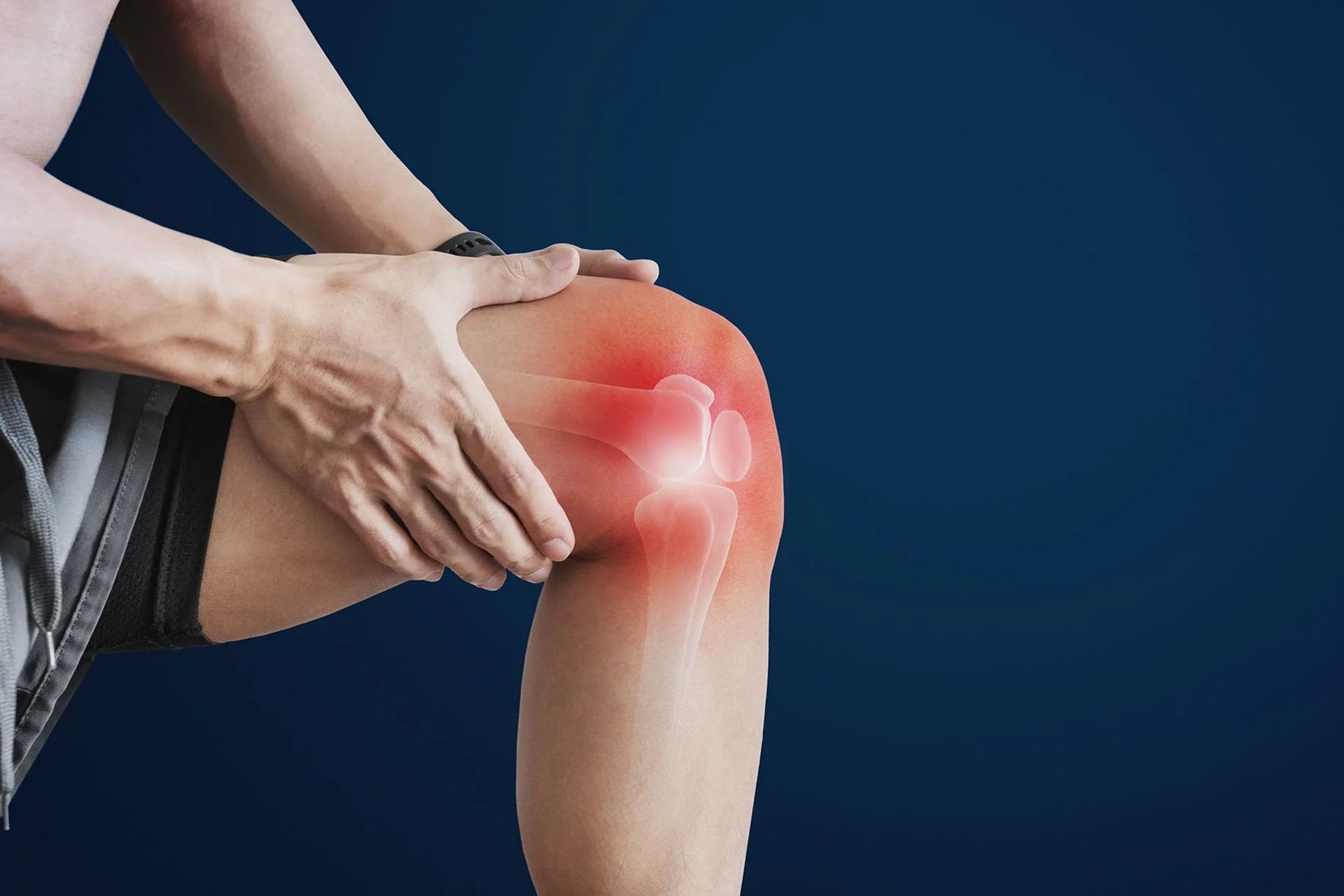
Osteoarthritis affects millions of people, making it painful and difficult to move. It occurs when the cartilage that cushions the ends of your bones deteriorates, leading to bone rubbing on bone. This often happens over time as we age. It can also be caused by an accident or injury.
A common location for osteoarthritis is in the knee joint. This can make it hard to do daily activities, such as climbing stairs and, even, walking. While there is no cure for osteoarthritis, there are ways to manage the pain and make it easier to go about your life.
One of these ways is to use a properly fitting knee brace.
The Fundamentals of a Knee Brace
In general, knee braces are designed to stabilize your knee, control motion, and to unload the weight from the damaged area of your knee to a stronger and more stable location.
There are several different types of knee braces and each type is designed for specific purposes.
Some provide compression, which can warm the joint and help reduce swelling or stiffness. Others are used to control movement so that you reduce your risk of injury. Some are used to align your knee in a way that allows it to function with less pain.
For many people with osteoarthritis, a knee support brace is designed to take pressure off of your knee, relieving pain. These types of braces are often called “unloader braces.”
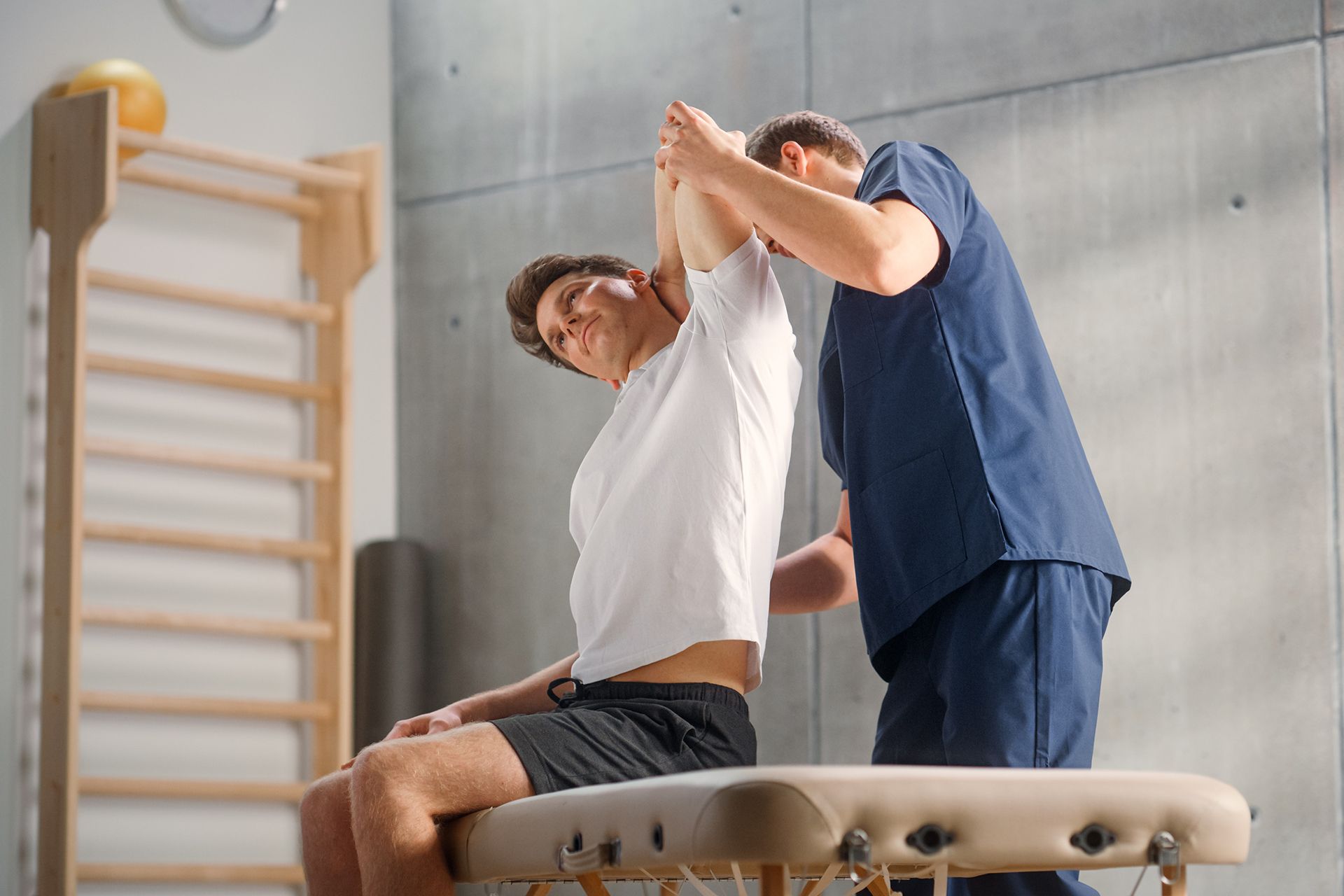
The type of brace that is best for you can be determined by a healthcare professional, such as an experienced physiotherapist.
How They Can Help with Osteoarthritis
Knee braces can help with osteoarthritis issues in several ways.
If you find that your knee is frequently swollen, you may want to use a compression-type brace. These often work best for people who have mild pain or stiffness.
A web-type brace may work for people who have osteoarthritis below the kneecap. These braces provide extra support and can help guide how the kneecap moves, alleviating discomfort.
An unloader brace is designed to take pressure off a certain part of your knee, reducing pain. These can be adjusted to put more force on the outside of your knee, for example, while unloading weight from the inside. In most people, osteoarthritis affects one side more than the other, so a well-fitting and properly adjusted unloader brace can offer support and allow you to strengthen the muscles around your knee.
What You Can Expect
Every person is different and every person experiences osteoarthritis differently. Working with a physiotherapist can help you understand more about your situation, learn how osteoarthritis may be affecting you, and learn what type of brace may be best for your condition.
Before and After Your Knee Brace Fitting
At Delta Physiotherapy & Rehab, we offer a wide range of custom bracing options. You walk differently from anyone else, your osteoarthritis affects you in a different way than it affects anyone else, and that means that your comfort may be better served by a custom knee brace vs off the shelf.
During your fitting, we will examine your knee, ask you to move or walk so we can see how your knee functions, take measurements of your knee, have you try various braces to see which fit best, and more.
After your fitting, we’ll help you understand how to properly use your brace, adjust it to meet your needs, and answer any questions you may have.
The Results
A custom knee brace can help reduce the symptoms of osteoarthritis and improve strength and function in your knee.
For more information or to schedule an appointment with our team, please call 905-270-3086 or book an appointment online.