Bunion (Hallux Valgus) Treatment in Mississauga & Oakville: Causes, Symptoms & Evidence-Based Care
Have you noticed a bump forming near your big toe joint? Do you experience foot pain, swelling, or discomfort when walking or wearing shoes?
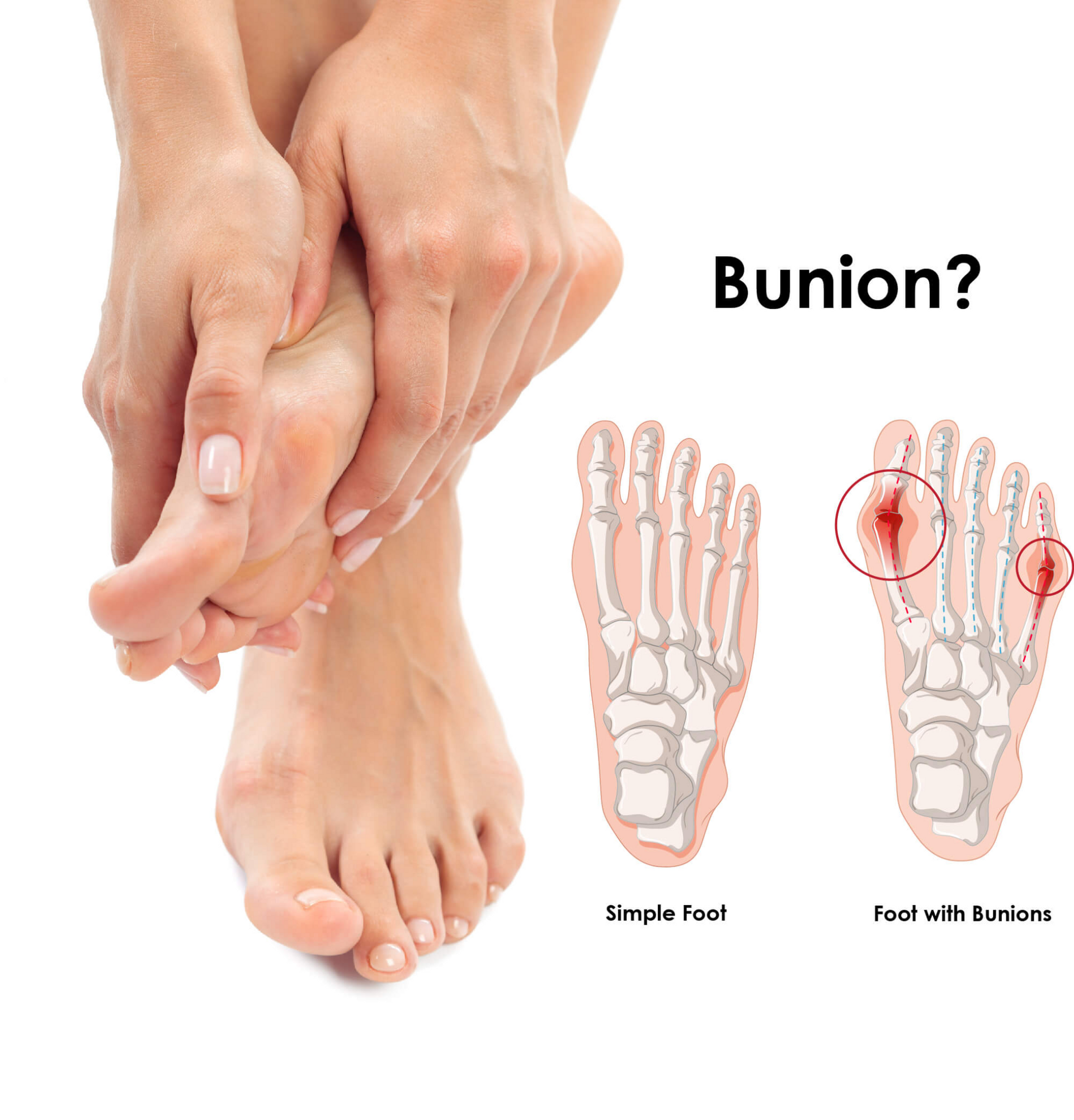
You may be developing a bunion, medically known as hallux valgus — a common progressive foot condition affecting the alignment of the big toe joint.
At Delta Physiotherapy & Rehab , we provide evidence-based bunion treatment in Mississauga and Oakville through physiotherapy, biomechanical assessments, and custom orthotics focused on long-term relief and improved foot function.
What Is a Bunion?
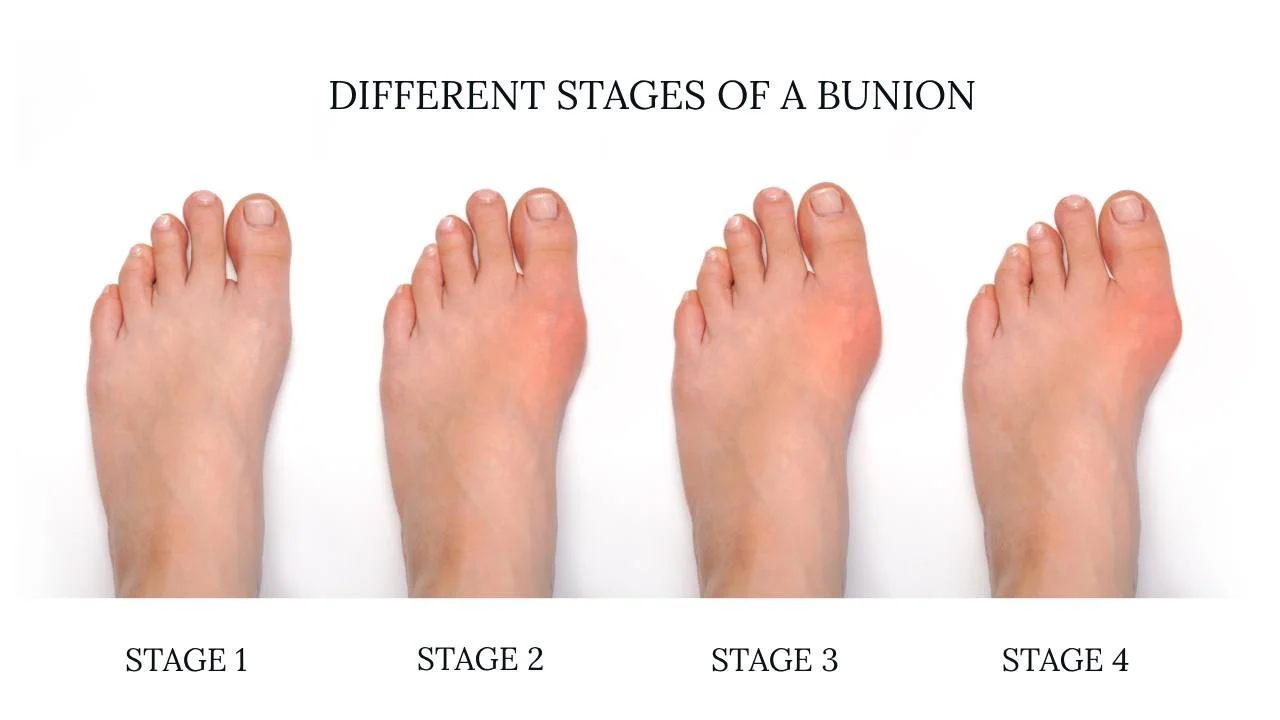
A bunion is a bony prominence that develops at the base of the big toe joint. Over time, the big toe gradually shifts inward while the joint pushes outward, creating the visible bump many people notice.
Although bunions are often thought of as cosmetic, they can significantly affect:
- walking mechanics
- balance
- footwear comfort
- foot stability
- overall mobility
As the condition progresses, bunions may lead to chronic pain, inflammation, stiffness, toe crowding, and difficulty walking or standing for long periods.
What Causes Bunions?
Research shows bunions usually develop due to a combination of genetics, foot structure, biomechanics, footwear habits, and repetitive loading over time.
Common contributing factors include:
- family history of bunions
- flat feet and overpronation
- weak foot stabilizing muscles
- ligament laxity or joint instability
- prolonged standing or walking
- poor lower limb mechanics
- tight calf muscles and limited ankle mobility
- narrow footwear or high heels
- arthritis and degenerative joint conditions
While footwear alone does not directly cause bunions, narrow or pointed shoes may increase stress on the big toe joint and worsen progression in people who are already predisposed.
Who Is Most Likely to Develop Bunions?
Current studies suggest bunions are more common in:
- women over the age of 40
- individuals with a family history of bunions
- people with flat feet or low arches
- individuals who wear narrow or high-heeled footwear
- occupations requiring prolonged standing or walking
- people with arthritis or inflammatory joint conditions
Research estimates bunions affect approximately 23% of adults under 65 and over 35% of adults over 65. Women may be up to 10–15 times more likely to develop bunions than men.
Common Biomechanical Patterns Seen With Bunions
At Delta Physiotherapy & Rehab , we commonly see bunions develop alongside:
- excessive pronation (flat feet)
- weak foot stabilizing muscles
- poor hip and lower limb mechanics
- inward rotation of the leg during walking
- tight calf muscles and reduced ankle mobility
These movement patterns may increase stress through the big toe joint and contribute to bunion progression over time.
Signs & Symptoms of Bunions
Common symptoms may include:
- a visible bump at the base of the big toe
- redness, swelling, or tenderness
- pain while wearing shoes
- stiffness in the big toe joint
- corns or calluses between the toes
- foot fatigue
- difficulty walking comfortably
- reduced balance or push-off strength
Bunions are often progressive conditions, meaning symptoms may worsen gradually if the underlying mechanics are not addressed.
What Happens During a Bunion Assessment?
At Delta Physiotherapy & Rehab , our biomechanical assessment may include:
- foot posture evaluation
- gait and walking analysis
- arch assessment
- ankle mobility testing
- hip and lower limb mechanics
- balance and strength testing
- footwear assessment
- joint mobility evaluation
This helps us create a personalized treatment plan based on your symptoms, biomechanics, and activity level.
Physiotherapy Treatment for Bunions
At Delta Physiotherapy & Rehab , physiotherapy treatment focuses on improving the way the foot and lower body move together while reducing stress on the big toe joint.
Treatment may include:
- Physiotherapy Treatment Services ( https://www.deltaphysiotherapy.ca/physiotherapy)
- Custom Orthotics Services
- foot strengthening exercises
- gait retraining
- hip, knee, and ankle strengthening
- mobility and flexibility work
- balance and neuromuscular retraining
- activity modification guidance
- footwear recommendations
- taping and offloading strategies
- Pain & Inflammation Management
Custom orthotics may help improve foot alignment, redistribute pressure more evenly, and reduce stress through the bunion joint during walking and standing.
Learn more about Custom orthotics: https://www.deltaphysiotherapy.ca/custom-orthotics
While physiotherapy cannot permanently reverse a severe bunion deformity, conservative treatment may help reduce pain, reduce stress on the joint improve walking mechanics, improve mobility, and slow progression in some cases.
When Is Bunion Surgery Needed?
If conservative treatment no longer provides relief and symptoms significantly affect daily activities, bunion surgery may be considered.
Surgical correction aims to:
- realign the joint
- improve foot mechanics
- reduce pain
- restore function
Frequently Asked Questions About Bunions
Can physiotherapy help bunions?
Physiotherapy may help reduce pain, improve mobility, improve walking mechanics, and improve overall foot function.
Can flat feet cause bunions?
Flat feet and excessive pronation may increase stress through the big toe joint and contribute to bunion progression.
Do orthotics help bunions?
Custom orthotics may help improve alignment and reduce stress on the bunion joint.
Can bunions worsen over time?
Yes. Bunions are often progressive conditions that may gradually worsen without proper management.
Book Your Bunion Assessment in Mississauga or Oakville
If you're searching for:
- bunion treatment near you
- hallux valgus treatment in Mississauga or Oakville
- physiotherapy for bunions
- custom orthotics for foot pain
…the team at Delta Physiotherapy & Rehab is here to help.
Book your assessment today and take the first step toward improved comfort, mobility, and long-term foot health.