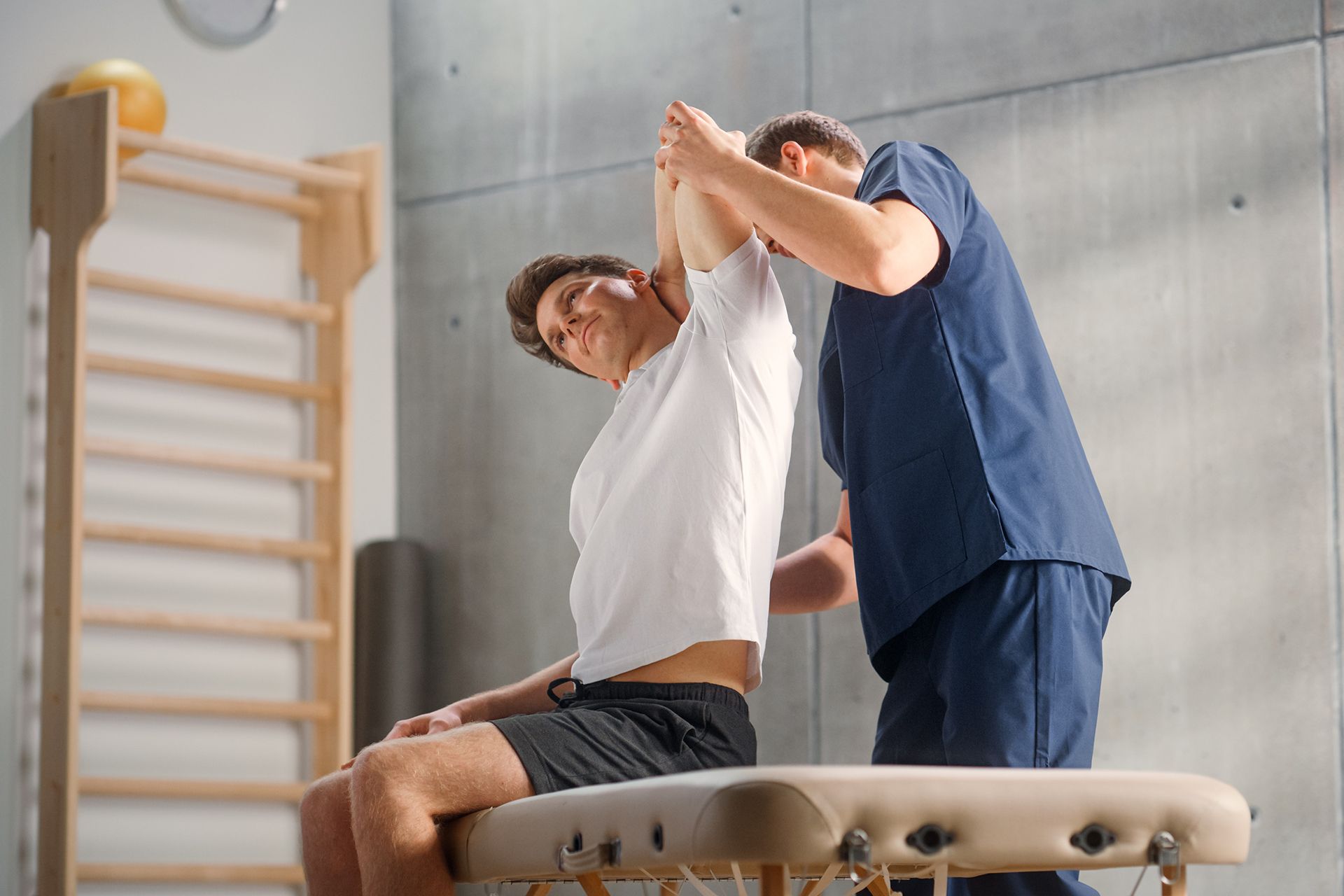
Strength from Within: Tackling Incontinence with Pelvic Floor Physio
Empowering Confidence and Control through Pelvic Health
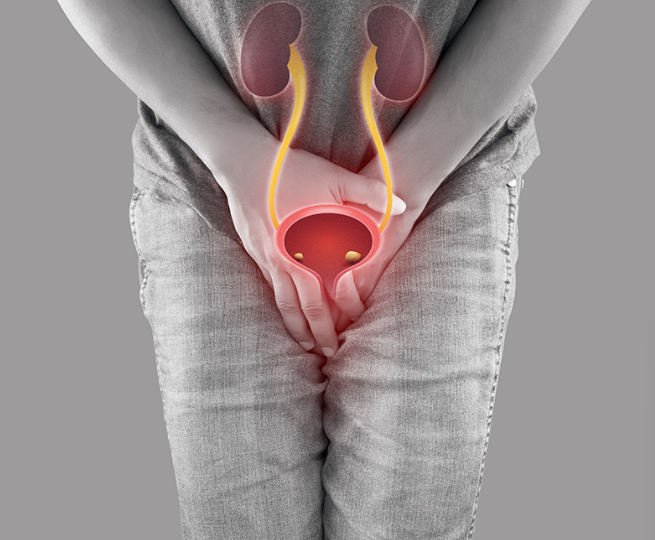
Incontinence is a common but often misunderstood condition that affects millions of people worldwide. It refers to the involuntary leakage of urine or feces and can range from a slight loss of control to a complete inability to manage bodily functions. Incontinence can significantly impact one's quality of life, leading to social embarrassment, emotional distress, and even physical complications. At Delta Physiotherapy and Rehab, we are trained to help!
Symptoms and Types of Incontinence
The symptoms of incontinence vary depending on the type. Urinary incontinence can manifest as stress incontinence, where leakage occurs during activities like coughing, sneezing, or exercising. Urge incontinence involves a sudden, intense urge to urinate followed by involuntary leakage, while overflow incontinence is characterized by a frequent dribble of urine due to an inability to fully empty the bladder. Fecal incontinence, though less common, involves the involuntary loss of stool and can occur alongside conditions like chronic constipation or diarrhea.
Risk Factors
Several factors can increase the risk of developing incontinence. Age is a significant factor, as the muscles involved in bladder and bowel control tend to weaken over time. Pregnancy and childbirth can also strain these muscles, leading to incontinence in women. Other risk factors include obesity, which puts extra pressure on the pelvic organs, neurological conditions such as Parkinson's disease or multiple sclerosis, and pelvic surgeries that may damage nerves or muscles.
How Pelvic Floor Physiotherapy Can Help
At Delta Physiotherapy and Rehab, our pelvic floor physiotherapy offers an effective approach to managing incontinence. The pelvic floor is a group of muscles that support the bladder, uterus, and rectum. When these muscles are weak or damaged, they can lead to incontinence. A physiotherapist specializing in pelvic health can assess the strength and function of your pelvic floor muscles and design a personalized exercise program to strengthen them. Techniques may include kegel exercises, biofeedback, and manual therapy to improve muscle tone and control. Over time, pelvic floor physiotherapy can significantly reduce or even eliminate symptoms of incontinence, restoring confidence and improving overall quality of life.
While incontinence can be a challenging condition, effective treatment options like pelvic floor physiotherapy can make a significant difference. Seeking help from a qualified pelvic floor physiotherapist is a proactive step towards regaining control and improving your well-being.
Book a free 15 minute consultation with us today at Delta Physiotherapy & Rehab at our Dundas, Mississauga location and we will get you started on your healing journey!