What to Do After a Motor Vehicle Accident: A Physiotherapy Guide to Recovery
Being involved in a motor vehicle accident can be overwhelming. In the moments following a collision, your focus is often on safety, vehicle damage, and insurance details. What many people don’t realize is that the steps you take in the hours and days after an accident can significantly influence your recovery, long-term health, and even your insurance claim.
This guide walks you through exactly what to do after a motor vehicle accident, with a specific focus on protecting your body, recognizing injuries early, and starting physiotherapy at the right time to prevent chronic pain and complications.
Step 1: Ensure Safety and Seek Immediate Medical Attention if Needed
Your first priority after an accident is safety.
- Move to a safe location if possible
- Call emergency services if anyone is injured
- Accept paramedic assessment, even if injuries seem minor
Some injuries — especially head, neck, or spinal trauma — may not be immediately obvious. Loss of consciousness, confusion, severe pain, numbness, or weakness require urgent medical evaluation.
Even if emergency care isn’t required, this does not mean you are injury-free.
Step 2: Document the Accident and Report It Promptly
Accurate documentation protects both your health and your insurance coverage.
After the accident:
- Exchange information with the other driver(s)
- Take photos of vehicle damage and the scene
- Note the date, time, location, and circumstances
- Report the accident to your insurance company as soon as possible (typically within 7 days in Ontario)
Prompt reporting ensures access to accident benefits, including physiotherapy, massage therapy, and rehabilitation services.
Step 3: Understand Why Symptoms May Be Delayed
It’s very common to feel “okay” immediately after an accident — only to experience pain hours or days later.
Why this happens:
- Adrenaline masks pain initially
- Inflammation takes time to develop
- Muscles and joints stiffen after trauma
- Nervous system sensitization occurs gradually
Common delayed symptoms include:
- Neck pain and stiffness
- Headaches
- Shoulder or back pain
- Dizziness
- Jaw pain
- Tingling or radiating pain into arms or legs
This delayed onset is one of the biggest reasons early physiotherapy assessment is strongly recommended — even if symptoms feel mild.
Step 4: Get Assessed by a Physiotherapist Early
You do not need a doctor’s referral to start physiotherapy after a motor vehicle accident in Ontario.
An early physiotherapy assessment allows your therapist to:
- Identify injuries before they worsen
- Document findings for insurance purposes
- Begin pain management safely
- Restore movement before stiffness sets in
- Prevent compensatory movement patterns
Early treatment is consistently linked to:
- Faster recovery
- Reduced risk of chronic pain
- Better long-term outcomes
Waiting removes one of your biggest advantages: timing.
Step 5: Know the Common Injuries After a Car Accident
Motor vehicle accidents often cause multiple injuries at once, even in low-speed collisions. Common conditions include:
- Whiplash and neck injuries
- Back pain and spinal joint irritation
- Disc injuries and nerve-related pain
- Shoulder injuries from seatbelt or bracing
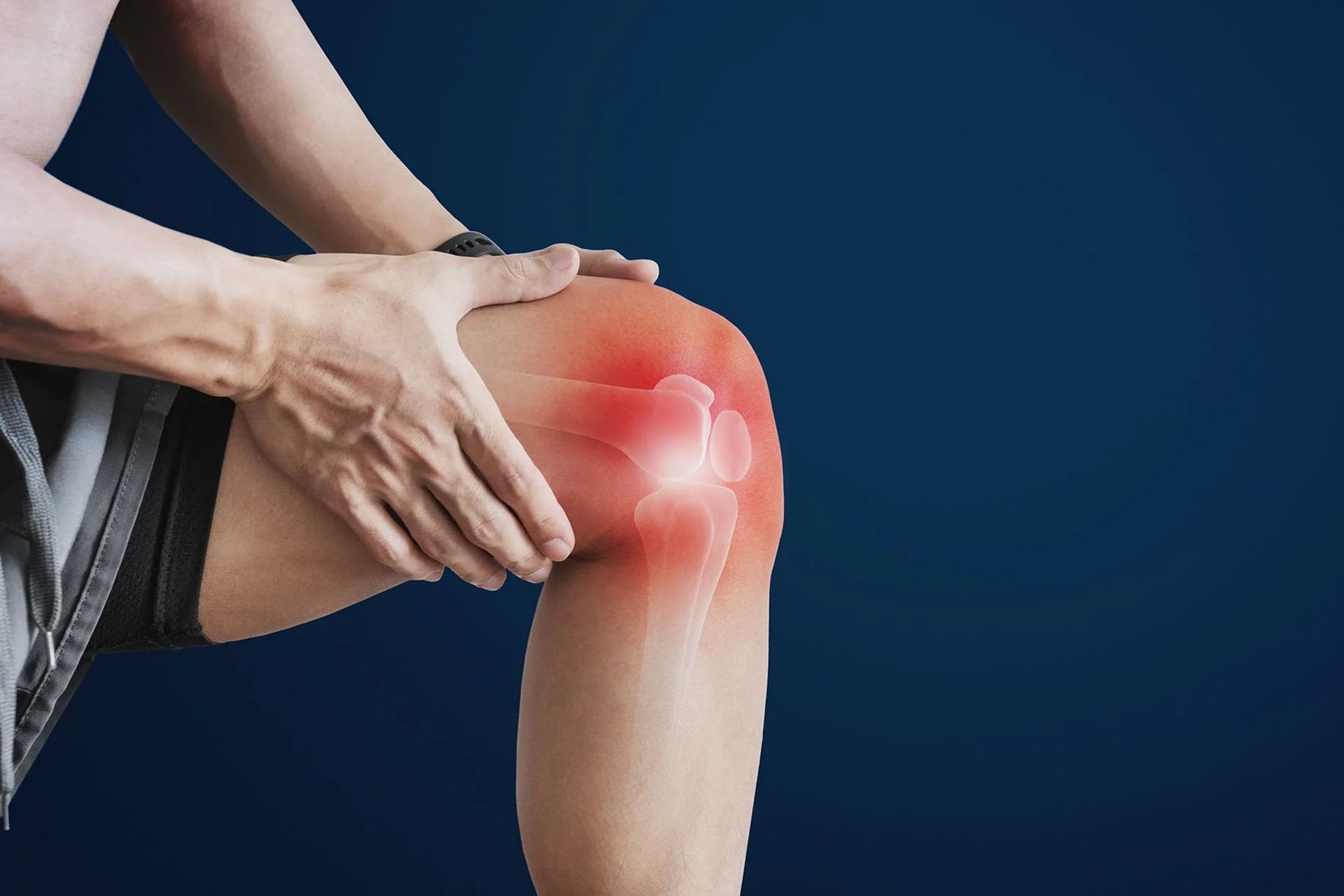
- Knee injuries from dashboard impact
- Concussions and dizziness
- Jaw and facial pain (TMJ dysfunction)
- Soft tissue strains and sprains
A physiotherapist assesses how these injuries interact — because treating one area in isolation often misses the bigger picture.
Step 6: Start Physiotherapy — Even If Pain Is Mild
Many people delay physiotherapy because they believe pain will “go away on its own.” While some symptoms improve naturally, others evolve into persistent pain conditions if not addressed early.
Physiotherapy after an accident focuses on:
- Reducing pain and inflammation
- Restoring joint mobility
- Re-training normal movement patterns
- Improving strength and stability
- Preventing long-term dysfunction
Treatment is progressive and tailored to your injury severity, healing stage, and daily demands.
Step 7: Understand Ontario MVA Insurance Coverage for Physiotherapy
Ontario operates under a no-fault insurance system, meaning your own auto insurance covers your injuries — regardless of who caused the accident.
Your accident benefits typically include:
- Physiotherapy
- Massage therapy
- Chiropractic care
- Assistive devices
- Rehabilitation services
Most clinics experienced with MVA cases offer direct billing, so you don’t pay out of pocket. Your physiotherapy team will handle treatment plans, documentation, and insurer communication on your behalf.
Step 8: Follow Your Treatment Plan — Consistency Matters
Recovery after a motor vehicle accident is rarely instant. Healing occurs in phases, and each stage requires a different focus.
Your physiotherapy plan may include:
- Pain relief and gentle mobility early on
- Strengthening and postural correction
- Functional training for work and driving
- Gradual return to exercise and activity
Skipping sessions or stopping too early increases the risk of:
- Recurring pain
- Compensatory injuries
- Long-term stiffness or weakness
Consistency is one of the strongest predictors of successful recovery.
Step 9: Address the Emotional Impact of the Accident
Motor vehicle accidents don’t only affect the body — they affect the nervous system and emotional well-being.
Many patients experience:
- Anxiety or fear of driving
- Sleep disturbances
- Difficulty concentrating
- Increased stress or irritability
A good rehabilitation team recognizes this and works collaboratively with mental health professionals when needed. Recovery is most effective when both physical and emotional factors are addressed.
Step 10: Return to Daily Life with Confidence
The ultimate goal of physiotherapy after a car accident is not just pain relief — it’s restoring confidence in your body.
This includes:
- Returning to work safely
- Driving comfortably
- Resuming exercise and hobbies
- Preventing future injury
Your physiotherapist will guide you through this transition so you’re not just “getting by,” but truly recovered.
When to Seek Help — Even If the Accident Was Minor
You should book a physiotherapy assessment if:
- Pain appears days after the accident
- Symptoms are not improving
- You feel stiff, guarded, or restricted
- You’re unsure whether an injury is serious
Early assessment doesn’t commit you to long-term treatment — it gives you clarity and control.
Final Takeaway
What you do after a motor vehicle accident matters. Early assessment, timely physiotherapy, and proper documentation protect your health now — and prevent long-term consequences later.
If you’ve been in a car accident, even a minor one, a physiotherapy assessment is one of the most important steps you can take toward a full, confident recovery.
Frequently Asked Questions About Physiotherapy After a Motor Vehicle Accident
Do I need a doctor’s referral to start physiotherapy after a car accident?
No. In Ontario, you can begin physiotherapy after a motor vehicle accident without a doctor’s referral. You can book directly with a physiotherapy clinic as soon as you feel ready.
How soon should I start physiotherapy after an accident?
Ideally within the first few days to weeks. Early physiotherapy helps reduce inflammation, restore movement, and significantly lowers the risk of developing chronic pain.
What if I felt fine right after the accident but pain started later?
This is extremely common. Adrenaline can mask symptoms initially, and inflammation often develops over time. Even if pain appears days or weeks later, you are still eligible for assessment and treatment.
Is physiotherapy covered by auto insurance after an accident?
Yes. Physiotherapy is covered under Ontario’s accident benefits system, regardless of who was at fault. Most clinics offer direct billing so you don’t pay out of pocket.
How long does recovery from a car accident usually take?
Recovery timelines vary depending on the severity of injuries, overall health, and consistency with treatment. Some people recover in a few weeks, while others may require several months of rehabilitation.
Can physiotherapy still help if my accident happened weeks or months ago?
Absolutely. While earlier treatment leads to faster recovery, physiotherapy can still be highly effective even if symptoms have been present for some time.