Back in Balance: Managing Degenerative Disc Disease & Disc Herniation
Understanding Disc Herniation and Degenerative Disc Disease: Symptoms, Risk Factors, and the Role of Physiotherapy
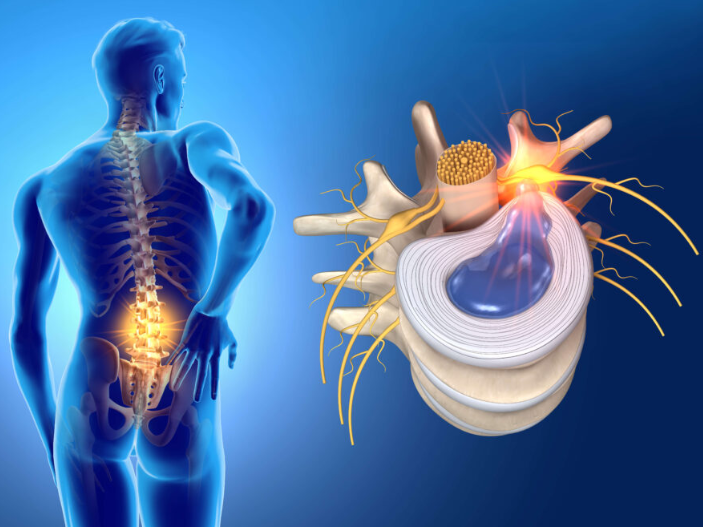
Disc herniation and degenerative disc disease (DDD) are two common spinal conditions that can significantly impact your quality of life. Understanding these conditions, their symptoms, and how they can be managed is crucial for maintaining spine health.
What Are Disc Herniation and Degenerative Disc Disease?
A disc herniation occurs when the soft, gel-like center of a spinal disc pushes through a tear in the outer layer, irritating nearby nerves. This condition is often referred to as a "slipped" or "ruptured" disc. Degenerative disc disease, on the other hand, is a condition where the spinal discs, which act as cushions between the vertebrae, begin to break down over time. This can lead to pain, reduced flexibility, and other complications.
Symptoms to Watch For
Both conditions can cause similar symptoms, including:
- Persistent back or neck pain
- Numbness or tingling in the arms or legs
- Muscle weakness
- Pain that worsens with certain movements, such as bending or twisting
- Reduced range of motion in the spine
If you're experiencing these symptoms, it's important to seek medical advice for a proper diagnosis. At Delta Physiotherapy and Rehab, we will do a thorough assessment and potentially request imaging to make said proper diagnosis.
Risk Factors
Several factors can increase your risk of developing disc herniation or degenerative disc disease, including:
- Aging: As you age, your spinal discs naturally lose hydration and elasticity, making them more prone to damage.
- Genetics: A family history of spine problems can increase your risk.
- Occupation: Jobs that involve heavy lifting, repetitive movements, or prolonged sitting can strain the spine.
- Smoking: Smoking reduces blood flow to the spinal discs, accelerating their degeneration.
How Physiotherapy Can Help
Physiotherapy plays a vital role in managing and improving disc herniation and degenerative disc disease. A physiotherapist can create a personalized treatment plan that includes exercises to strengthen the muscles supporting the spine, improve flexibility, and reduce pain. Techniques such as manual therapy, traction, and posture correction can also help alleviate symptoms and prevent further degeneration. At Delta Physiotherapy and Rehab we will also use modalities such as laser and electrotherapy to help decrease your pain and any associated inflammation in the affected area.
Early intervention is key to managing these conditions effectively. If you're experiencing symptoms of disc herniation or DDD, consult with a healthcare professional and consider physiotherapy as part of your treatment plan. Taking proactive steps now can lead to long-term relief and a healthier spine.
Book a free 15 minute consultation with us today at Delta Physiotherapy & Rehab at either of our convenient locations in Central Parkway or Dundas, Mississauga, and we will get you started on your healing journey!