Easing Hip Bursitis: A Guide to Finding Relief
Understanding Symptoms, Risk Factors, and the Path to Recovery with Physiotherapy
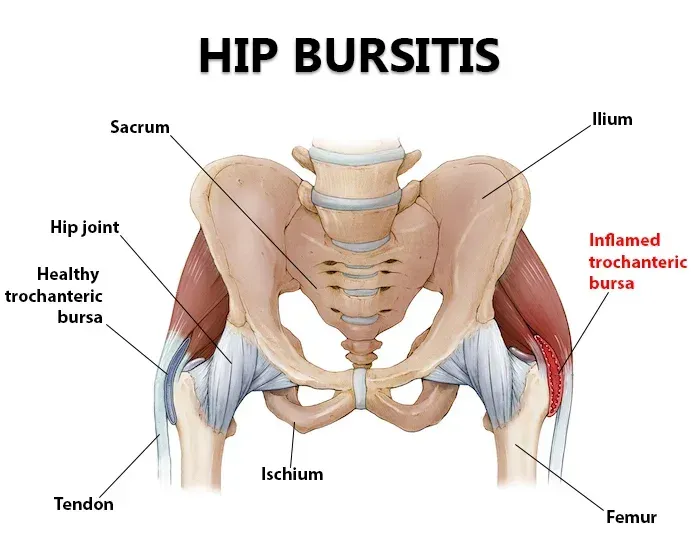
Hip pain can be more than just a minor inconvenience—it can impact your mobility and quality of life. One common culprit is hip bursitis, which involves inflammation of the bursae around the hip joint. In this blog, we’ll explore the anatomy of the hip, the signs and symptoms of bursitis, the risk factors, and how physiotherapy can help you find relief.
Anatomy of the Hip and Bursitis Involvement
The hip is a ball-and-socket joint where the head of the femur (thigh bone) fits into the acetabulum of the pelvis. To reduce friction between bones, muscles, and tendons, the body has small fluid-filled sacs called bursae.
The two most commonly involved in hip bursitis are:
Trochanteric Bursa: Found over the greater trochanter (the bony bump on the outer side of the hip).
Iliopsoas Bursa: Located in the front of the hip joint, near the groin area.
When these bursae become inflamed, they cause discomfort, stiffness, and limited range of motion.
Signs and Symptoms of Hip Bursitis
- Sharp pain on the outer part of the hip or groin area, especially during movement.
- Dull ache that worsens with prolonged sitting, lying on the affected side, or climbing stairs.
- Swelling and tenderness around the affected bursa.
- Stiffness in the hip joint, limiting your ability to move freely.
- Pain that may radiate down the thigh or buttock.
Risk Factors for Hip Bursitis
Several factors can increase your risk of developing hip bursitis:
Overuse: Repetitive activities such as running, cycling, or stair climbing.
Age: It is more common in older adults due to wear and tear on the joints.
Injury or Trauma: A direct blow to the hip can irritate the bursa.
Muscle Weakness or Imbalance: Tight or weak muscles around the hip can strain the joint.
Poor Posture or Biomechanics: Issues like leg length discrepancies can lead to abnormal joint stress.
Chronic Conditions: Conditions like osteoarthritis or rheumatoid arthritis may increase inflammation.
How Physiotherapy Can Help
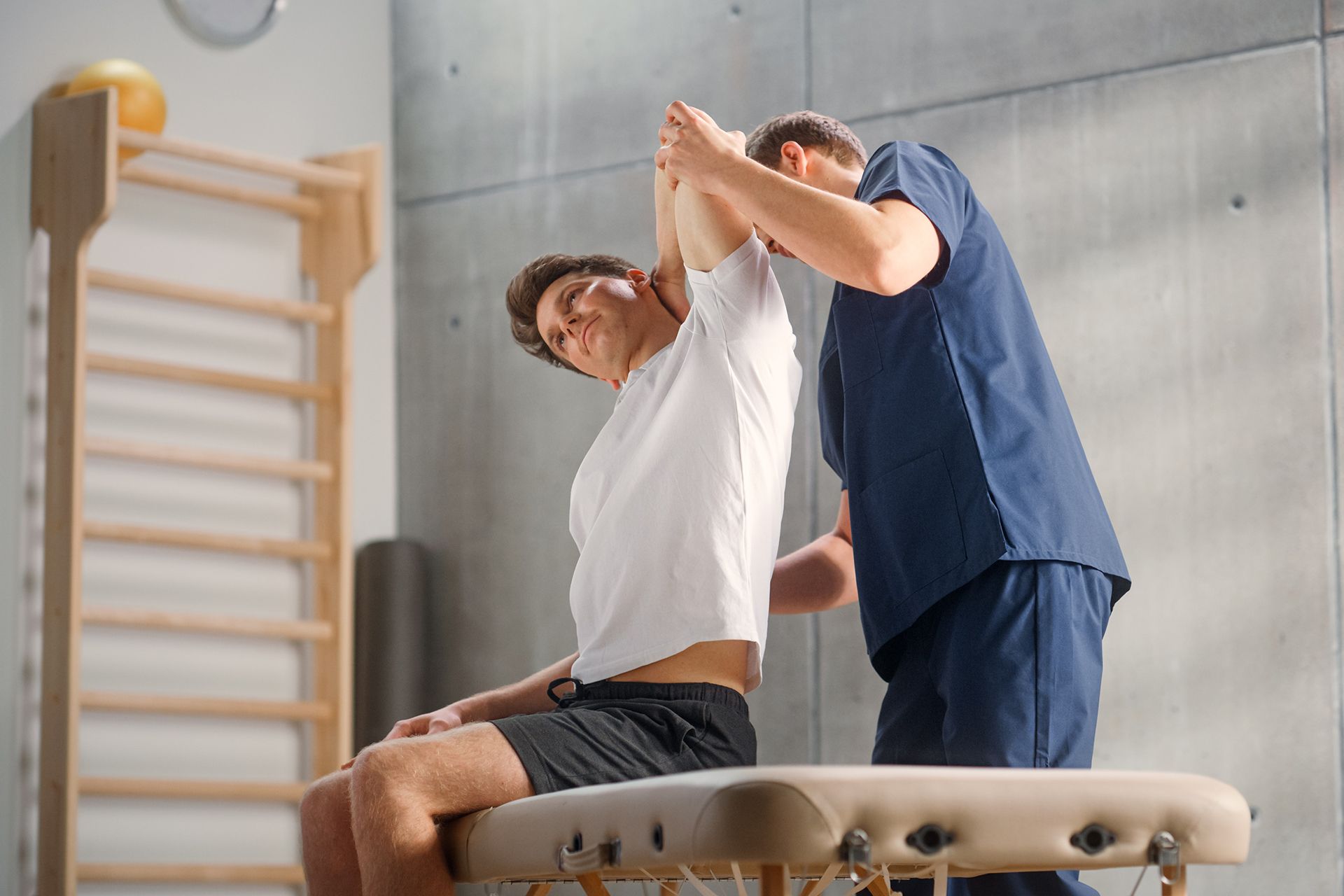
Physiotherapy is an effective, non-invasive way to manage and treat hip bursitis. Here's how:
- Pain Management Techniques: Modalities like ice therapy, ultrasound, or electrotherapy can help reduce pain and swelling.
- Stretching and Strengthening Exercises: Focused exercises can restore flexibility and strengthen the glutes, hip flexors, and core muscles, improving stability.
- Manual Therapy: Hands-on techniques can help release tight muscles and improve range of motion.
- Postural Training and Gait Correction: Physiotherapists can address biomechanical issues that contribute to the condition.
- Education and Prevention: Learn how to modify activities to avoid re-injury and protect the joint.
Hip bursitis can be frustrating, but with the right treatment plan, recovery is achievable. At Delta Physiotherapy & Rehab, we’re committed to helping you regain mobility, reduce pain, and prevent future flare-ups.
Don’t let hip pain slow you down—book a free 15 minute consultation with us today at Delta Physiotherapy & Rehab at either of our convenient locations in Central Parkway or Dundas, Mississauga, and we will get you started on your healing journey!