Staying Active: Safe Workouts Post-Injury
Recovering from an injury can be a challenging journey, especially for those who love to stay active. Whether you’ve suffered an acute injury or have been dealing with a chronic condition, the transition back to your regular workout routine requires careful planning and attention to detail. At Delta Physiotherapy & Rehab in Mississauga, we understand the importance of safe and effective workouts post-injury. Our experienced team is dedicated to guiding you through this process, ensuring a successful and sustainable return to physical activity.
Understanding the Importance of Post-Injury Workouts
Why Exercise Matters After an Injury
Exercise plays a critical role in the recovery process. It not only helps rebuild strength and flexibility but also promotes mental well-being and reduces the risk of future injuries. However, it’s crucial to approach post-injury workouts with caution to prevent setbacks and ensure long-term success.
Common Post-Injury Concerns
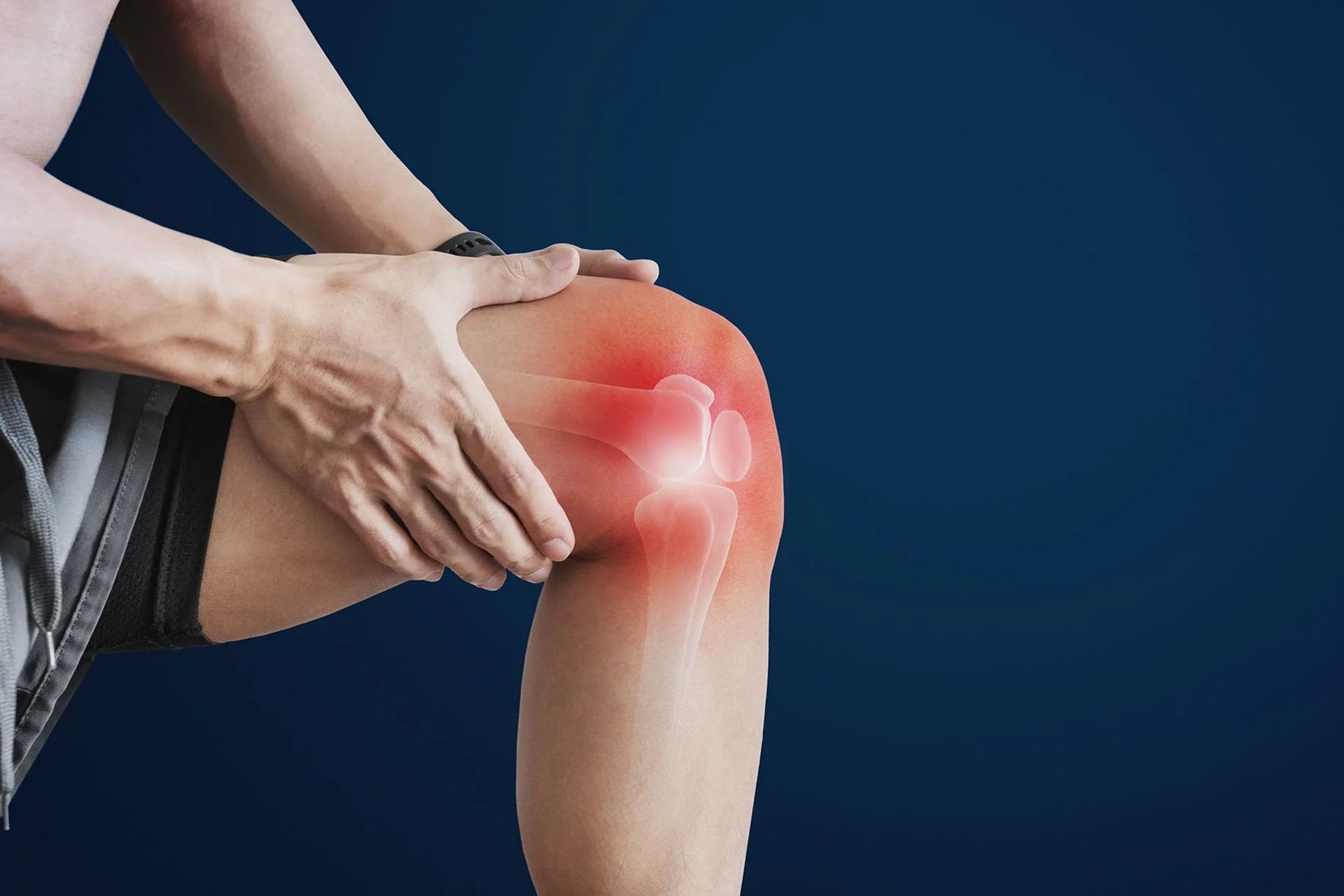
- Pain and Discomfort: Fear of pain can discourage individuals from resuming exercise. It's important to distinguish between discomfort that is part of the healing process and pain that may indicate further injury.
- Re-Injury: Engaging in physical activity too soon or with improper technique can lead to re-injury, prolonging the recovery period.
- Loss of Strength and Mobility: Prolonged inactivity during injury recovery can result in muscle weakness and decreased joint mobility.
Steps to Ensure Safe Workouts Post-Injury
1. Consult with a Professional
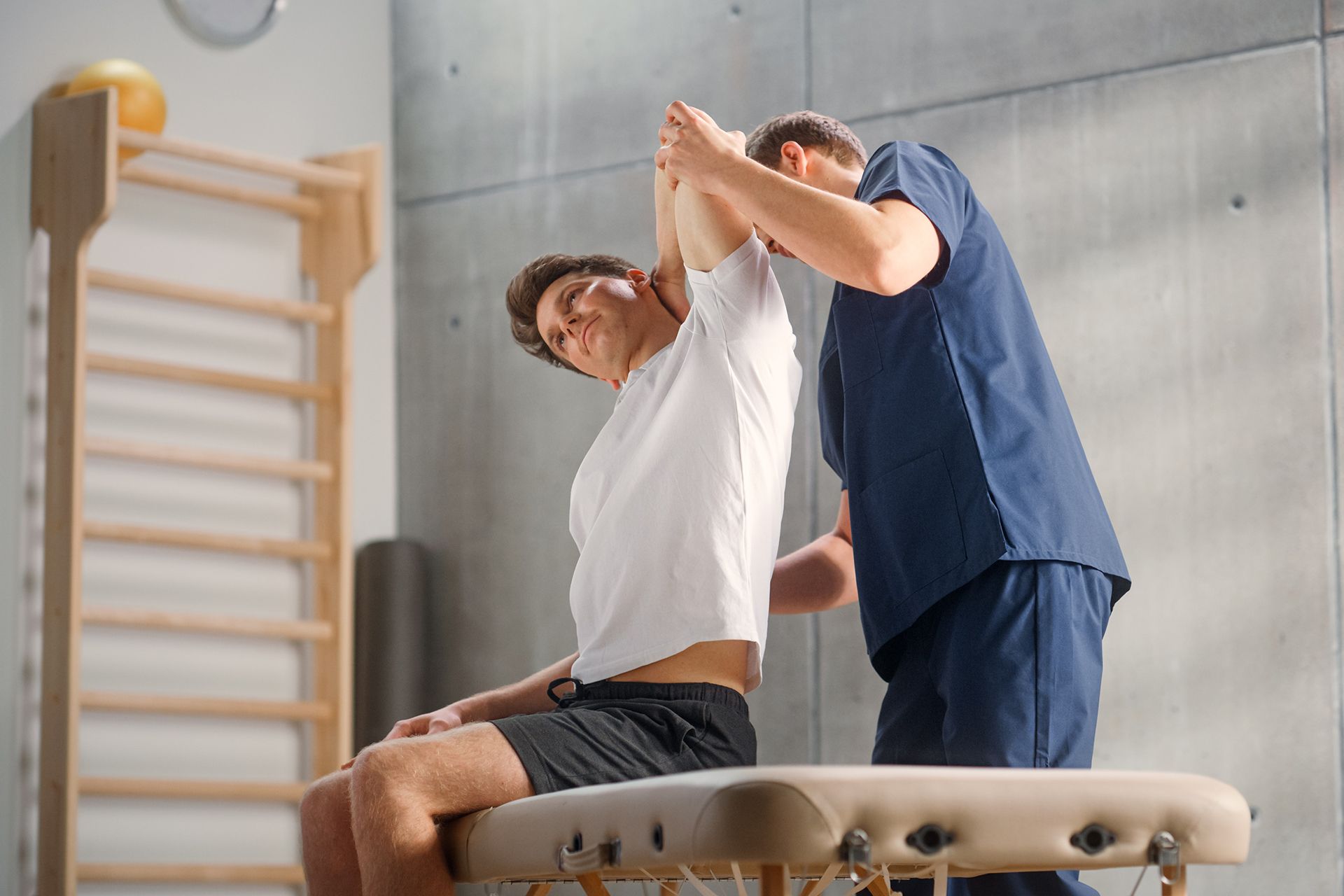
Before resuming any physical activity, it’s essential to consult with a healthcare professional or physiotherapist. At Delta Physiotherapy & Rehab, our team will conduct a thorough assessment of your injury and overall health to determine your readiness for exercise. This evaluation helps us create a personalized rehabilitation plan tailored to your specific needs and goals.
2. Start Slow and Gradual
After an injury, it’s important to start with low-impact exercises that gently reintroduce movement without placing excessive strain on the injured area. Activities such as walking, swimming, and cycling are excellent options for easing back into exercise. Gradually increase the intensity and duration of your workouts as your body adapts and heals.
3. Focus on Proper Form and Technique
Maintaining proper form and technique is crucial for preventing re-injury. At Delta Physiotherapy & Rehab, our trained physiotherapists will guide you through exercises, ensuring you perform each movement safely and effectively. Investing in form will pay off in the long run, reducing the risk of aggravating the injury.
4. Incorporate Strength Training
Strength training is an essential component of post-injury workouts, as it helps rebuild muscle mass and supports joint stability. Begin with light weights or resistance bands, focusing on exercises that target the injured area and surrounding muscles. Gradually progress to more challenging strength exercises as your recovery advances.
5. Prioritize Flexibility and Mobility
Stretching and flexibility exercises are vital for maintaining range of motion and preventing stiffness. Incorporate gentle yoga or Pilates sessions to promote flexibility and support your rehabilitation journey. Stretching also reduces tension in the muscles and promotes relaxation.
6. Listen to Your Body
Your body will provide valuable feedback as you transition back to physical activity. It’s important to listen to these signals and adjust your workout routine accordingly. If you experience sharp pain or discomfort, stop the activity immediately and consult your physiotherapist for guidance.
Delta Physiotherapy & Rehab: Your Partner in Post-Injury Recovery
At Delta Physiotherapy & Rehab, we are committed to helping you regain your strength and confidence following an injury. Our comprehensive approach to post-injury workouts includes:
Customized Rehabilitation Programs
Every injury is unique, and so is the recovery process. Our physiotherapists work closely with you to develop a customized rehabilitation program that addresses your specific needs and goals. This personalized approach ensures optimal results and a smoother transition back to an active lifestyle.
Expert Guidance and Support
Our experienced team provides expert guidance throughout your recovery journey. From initial assessments to ongoing support, we are here to assist you at every step, offering professional advice and encouragement to help you achieve your fitness goals safely.
State-of-the-Art Facilities
Delta Physiotherapy & Rehab is equipped with state-of-the-art facilities to support your rehabilitation journey. Our modern equipment and therapeutic techniques allow us to deliver high-quality care and help you achieve the best possible outcomes.
Take the First Step Towards an Active Future
Staying active after an injury is not only possible but essential for long-term health and well-being. With the right guidance and support, you can safely return to your favorite activities and enjoy a fulfilling and active lifestyle.
Ready to embark on your post-injury recovery journey? Contact Delta Physiotherapy & Rehab to
schedule a consultation with one of our skilled physiotherapists. Call our Central Parkway or Dundas locations and let us help you take the first step towards a stronger, healthier future. Your path to recovery starts here!