Why Do My Feet Hurt Even Though I Don’t Have an Injury?
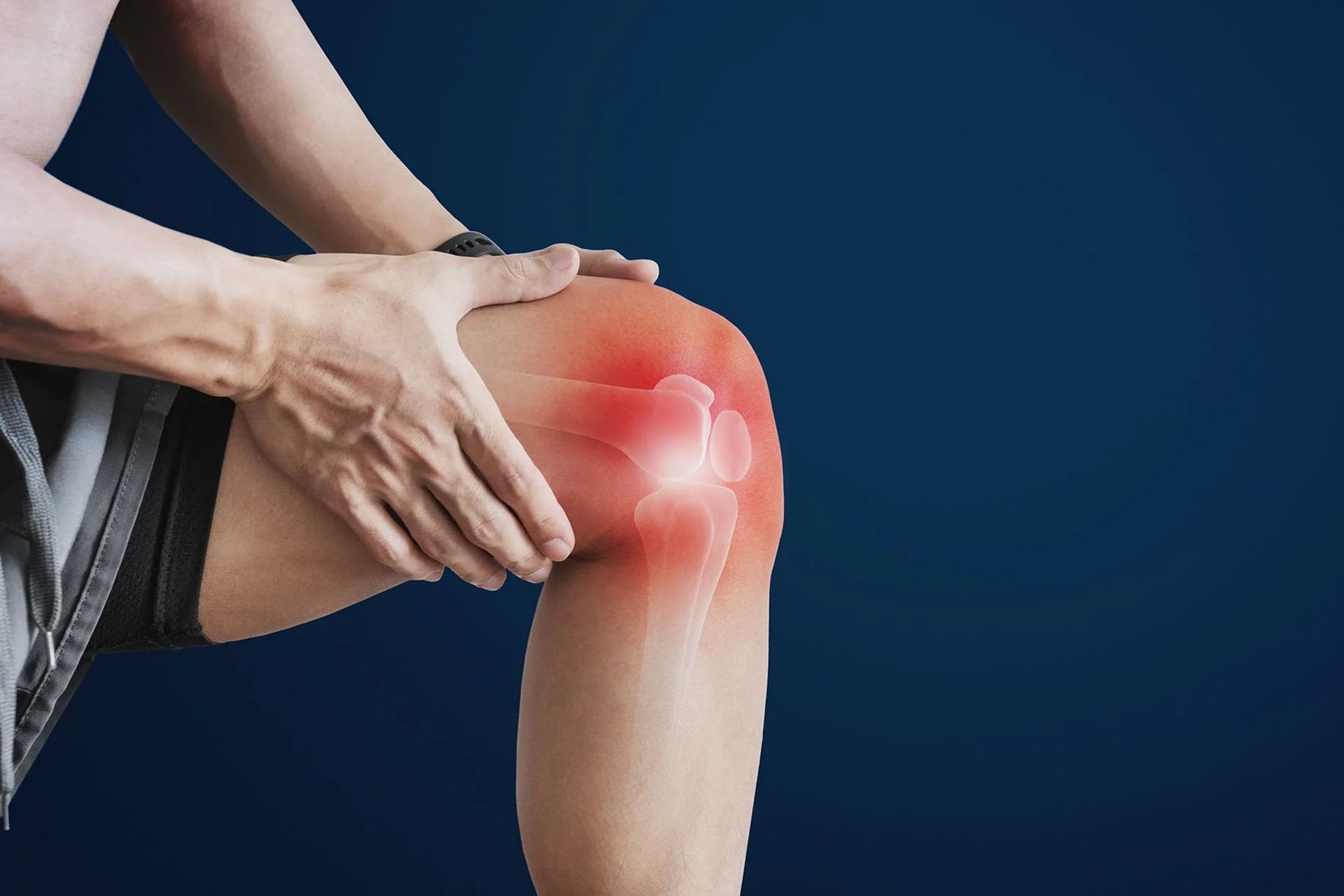
Foot pain can be frustrating when it appears out of nowhere. Many people expect discomfort to follow a rolled ankle, a long hike, or a sudden misstep. Yet some of the most common foot pain causes have nothing to do with an obvious injury. Instead, they develop slowly through daily habits, work routines, footwear choices, or subtle changes in the way your feet move.
This article breaks down the top non-injury reasons your feet might hurt and explains how physiotherapy and orthotics can provide clarity, comfort, and long-term relief. Understanding what triggers these symptoms helps you know when to seek assessment and how to manage pain before it becomes persistent.
Common Foot Pain Causes That Aren’t Related to Injury
Many people are surprised to learn that a large percentage of foot discomfort stems from gradual irritation rather than sudden trauma. The feet absorb pressure every time you stand, step, or push off the ground.
Over time, these forces add up, affecting tissues that support the arches, heels, and toes. When pain develops slowly, the source is often tied to lifestyle or biomechanical issues that influence how you walk or bear weight throughout the day. Recognizing these patterns helps determine which foot pain treatment options will be most effective.
Overuse and Repetitive Strain
Overuse is one of the most common contributors to foot discomfort without an injury. When the same tissues are stressed repeatedly, small amounts of irritation begin to build. Occupations that require standing for extended periods, such as retail, healthcare, or manufacturing, create an ongoing load that fatigues the muscles and ligaments. Runners, walkers, and individuals returning to activity after a long break may also notice pressure building in specific areas.
Because these symptoms develop gradually, many people dismiss the early signs as stiffness or tired feet. Over time, the discomfort becomes harder to ignore, particularly after long shifts, workouts, or days spent on hard flooring. Recognizing these patterns early allows you to address the irritation before it progresses.
Poor Footwear Choices
Footwear has a major influence on comfort, support, and load distribution. Shoes that lack cushioning or structure can leave your feet working much harder than necessary. Common problematic styles include flat casual shoes, older running shoes that have lost their shock absorption, and narrow designs that squeeze the toes.
These choices reduce stability and shift pressure to areas that are not designed to absorb high impact. Even small issues, such as a shoe that twists too easily or compresses the arch, can contribute to foot pain causes unrelated to injury. Supportive footwear should offer a comfortable fit, arch support, and a sole thick enough to cushion repetitive impact. A stable heel cup and room for natural toe movement also help reduce strain during daily activities.
Biomechanical Issues
Structural differences in the feet can make certain tissues work harder to maintain alignment. Flat feet, high arches, uneven weight distribution, or leg length differences all influence how pressure travels through the foot. These factors often go unnoticed until discomfort appears during walking or standing.
Gait abnormalities add another layer of stress. When you walk with more pressure on the inside or outside of the foot, the surrounding tissues adjust by tightening or overworking. These patterns gradually lead to pain, even though no clear injury occurred. Physiotherapy assessments include gait analysis to help identify which areas of the foot are absorbing too much force and whether custom orthotics or strengthening exercises could improve alignment.
Plantar Fasciitis
Plantar fasciitis is one of the most frequent heel-related foot pain causes, and it rarely develops from a sudden incident. The plantar fascia is a thick band of tissue that supports your arch. When it becomes irritated from repetitive strain, poor mechanics, or long hours on your feet, it creates inflammation that leads to sharp heel pain or morning stiffness.
The discomfort often peaks during the first steps of the day and eases as the tissue warms up. Over time, untreated plantar fasciitis can affect how you walk, stand, and distribute weight. Because it develops gradually, this condition responds well to guided physiotherapy, targeted stretching, and custom orthotics that reduce stress on the tissue.
Nerve-Related Foot Pain
Some forms of foot pain are related to nerve irritation rather than strained muscles or ligaments. Compressed or irritated nerves may create numbness, tingling, or burning sensations. Neuropathy, nerve compression around the ankle, or irritation along the sole of the foot are common contributors.
Nerve-related symptoms often fluctuate, becoming more noticeable during certain movements or after long periods of standing. If tingling, numbness, or altered sensation persists, a physiotherapy assessment is important to determine whether the source is within the foot or linked to the back or legs.
How Physiotherapy Helps Diagnose Foot Pain Causes
Physiotherapists specialize in identifying movement patterns and alignment issues that contribute to foot discomfort. During an assessment, they evaluate joint mobility, muscle strength, flexibility, and gait mechanics to identify the root cause of symptoms. Rather than treating the pain surface-level, physiotherapists look at how the entire lower body works together.
This approach provides clarity on whether your pain stems from overuse, biomechanics, footwear, nerve involvement, or a combination of factors. Early assessment helps prevent ongoing irritation and supports a tailored plan designed specifically for your needs.
Physiotherapy Treatment Options for Non-Injury Foot Pain
Effective foot pain treatment often includes a combination of hands-on care, targeted exercises, and supportive strategies that relieve stress on sensitive tissues. Manual therapy reduces stiffness in the joints and improves soft tissue mobility. Stretching programs ease tension in the calves and plantar fascia. Strengthening helps rebalance muscles that play a role in foot alignment.
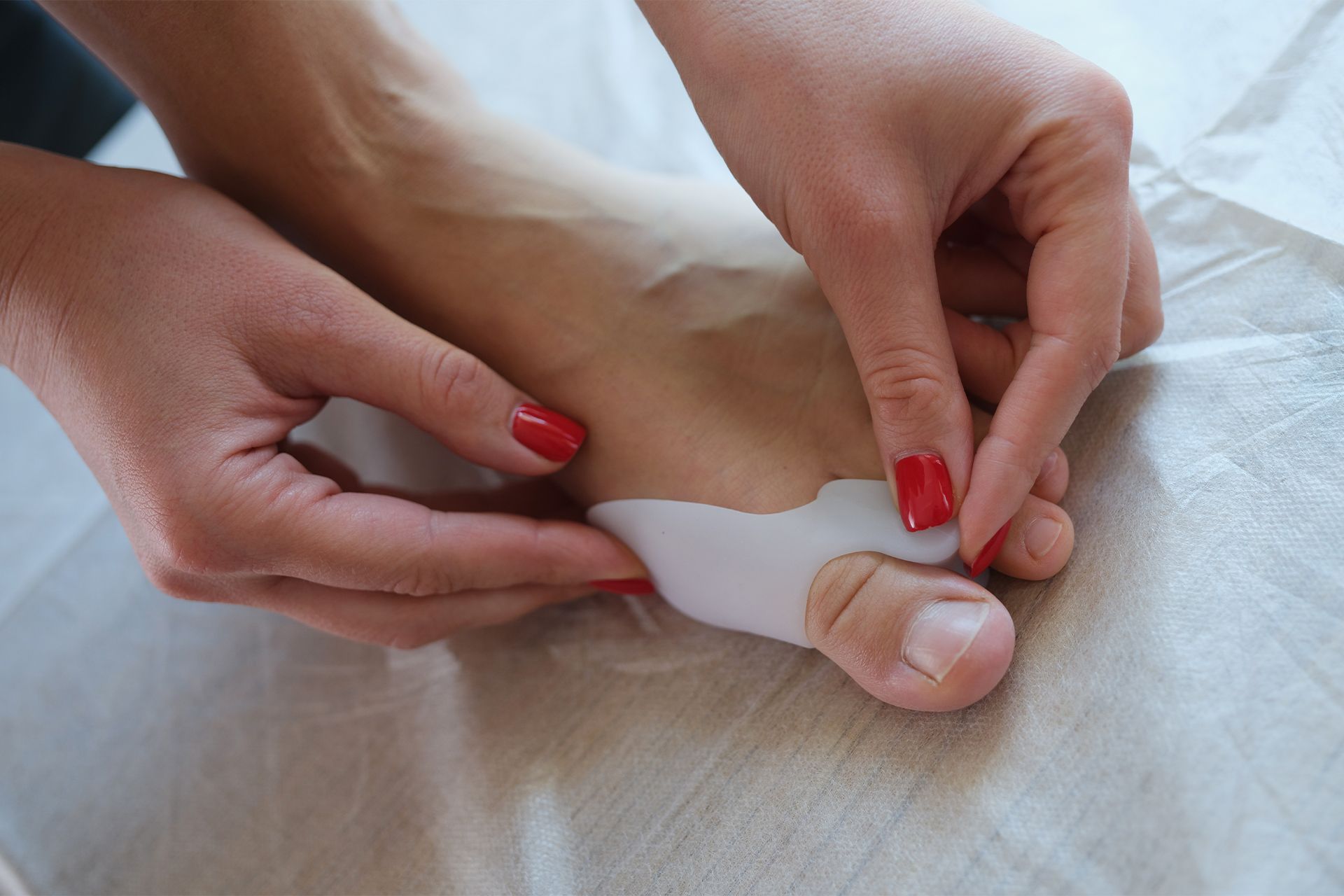
Taping techniques may provide temporary support during activity, while custom orthotics address structural issues and redistribute pressure across the foot. Orthotics play a particularly valuable role for individuals with flat feet, high arches, or gait abnormalities. They offer stability and cushioning that reduces irritation and supports long-term recovery alongside physiotherapy.
Improve Comfort and Mobility With Physiotherapy for Foot Pain Causes
Understanding the most common foot pain causes that occur without injury helps you take proactive steps toward recovery. When discomfort develops gradually, it often signals repetitive strain, biomechanics, or footwear issues that benefit from guided treatment. Physiotherapy and custom orthotics work together to identify the root cause, reduce tension, and restore natural movement patterns.
Delta Physiotherapy has locations at Central Parkway and Erin Mills. You can give us a call at (905) 270-3086 (Central Parkway Location) or (905)-822-9898 (Erin Mills Location) or click here to get in touch online.