Custom Bracing & Orthotics After Injury: When You Need Them, How They Help, and What to Expect
Recovering from an injury takes more than rest and determination. The way your body moves as it heals plays a major role in how well tissues repair and how stable you feel as activity increases. At Delta Physiotherapy, we often see patients reach a plateau in their recovery because their foot and lower-limb mechanics continue placing stress on injured structures. This is where custom orthotics and supportive bracing become powerful clinical tools.
By correcting movement patterns, reducing strain, and improving stability, orthotic devices offer targeted support that accelerates recovery. When used properly, they help patients walk, work, and exercise with more comfort as healing progresses. To understand how they fit into your recovery strategy, it helps to look at what these devices actually do and what to expect when a physiotherapist recommends them. Let’s explore how custom bracing and orthotics guide you from injury back to confident mobility.
Understanding Injury Recovery With Custom Orthotics
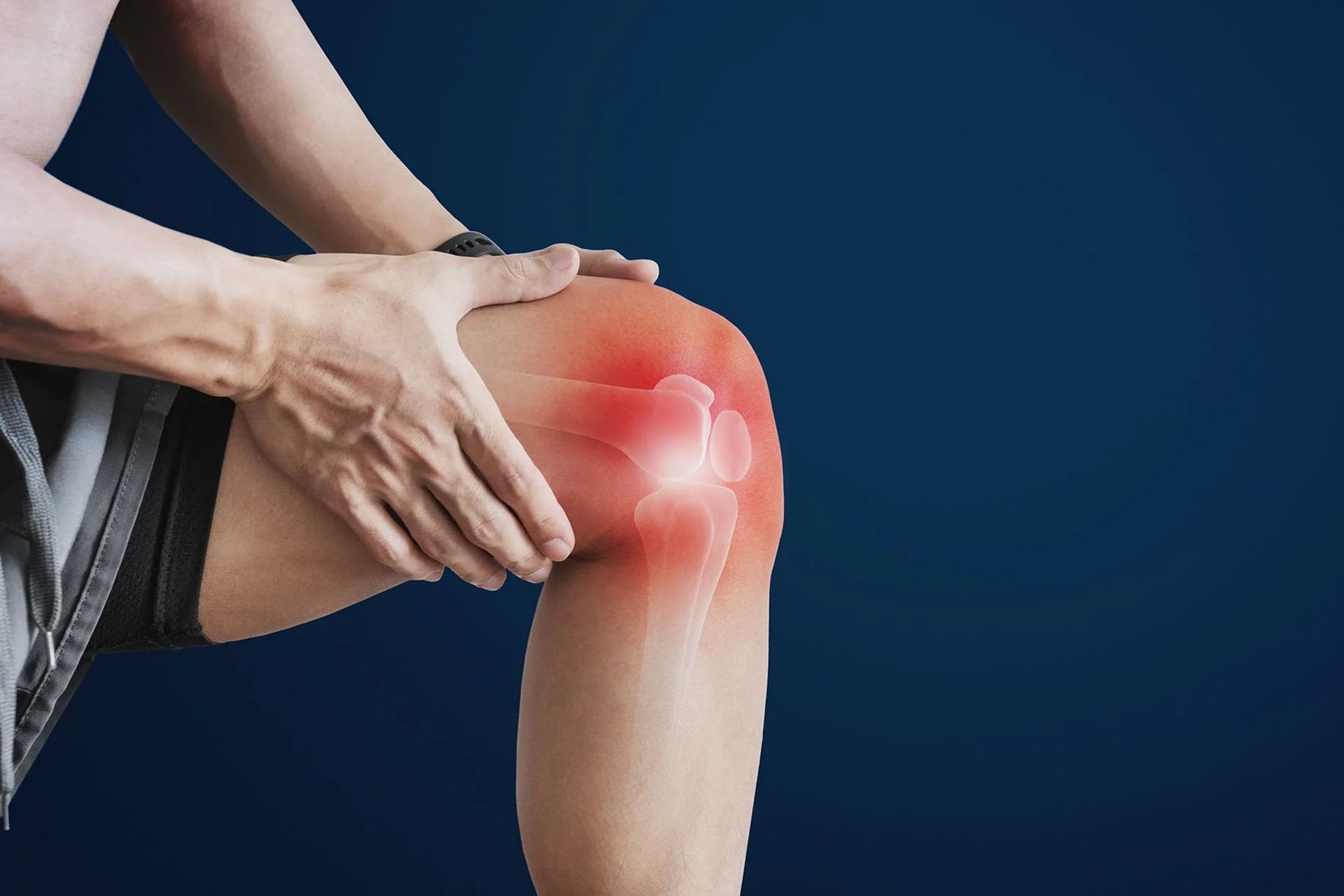
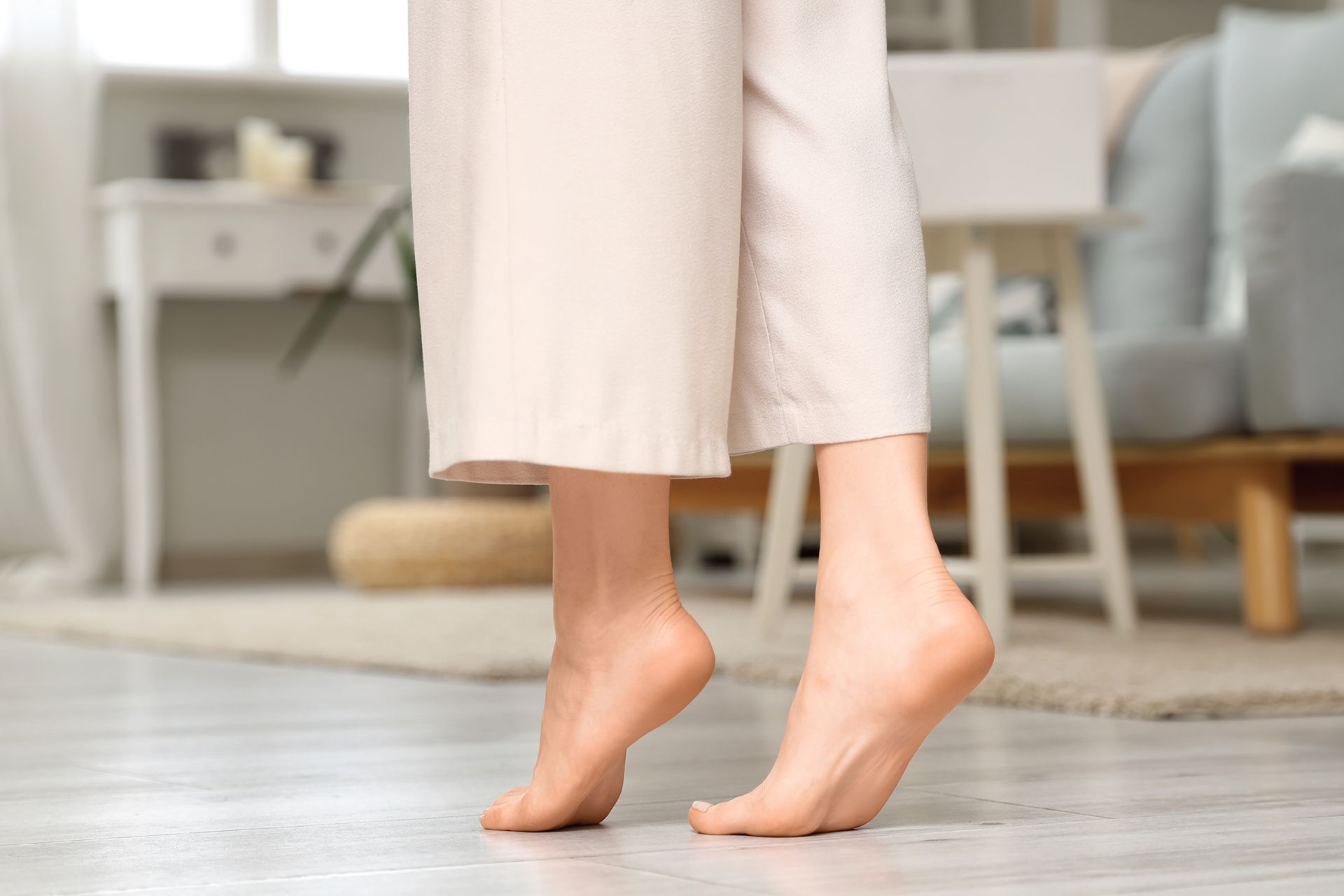
Foot and lower-limb mechanics influence every movement you make, from walking across a room to returning to sport. When an injury affects the ankle, knee, hip, or surrounding soft tissue, even subtle biomechanical imbalances can slow healing. Custom orthotics are designed to correct these imbalances by improving foot alignment and distributing pressure more evenly during weight-bearing activity.
These biomechanical changes matter. When your feet move efficiently, the chain of movement above them also improves. Better alignment supports healthier tissue loading, reduces irritation in inflamed areas, and keeps healing structures from being overloaded during your daily routine. This targeted control helps create conditions that allow your body to repair itself without constant setbacks.
For patients returning from ligament sprains, tendon injuries, stress-related foot pain, or lower-back irritation linked to gait issues, orthotics often become an essential part of a complete rehabilitation plan. They aren’t simply support devices; they’re strategic tools that help you maintain healthy mechanics while injured tissues recover.
What Custom Orthotics Do During Recovery
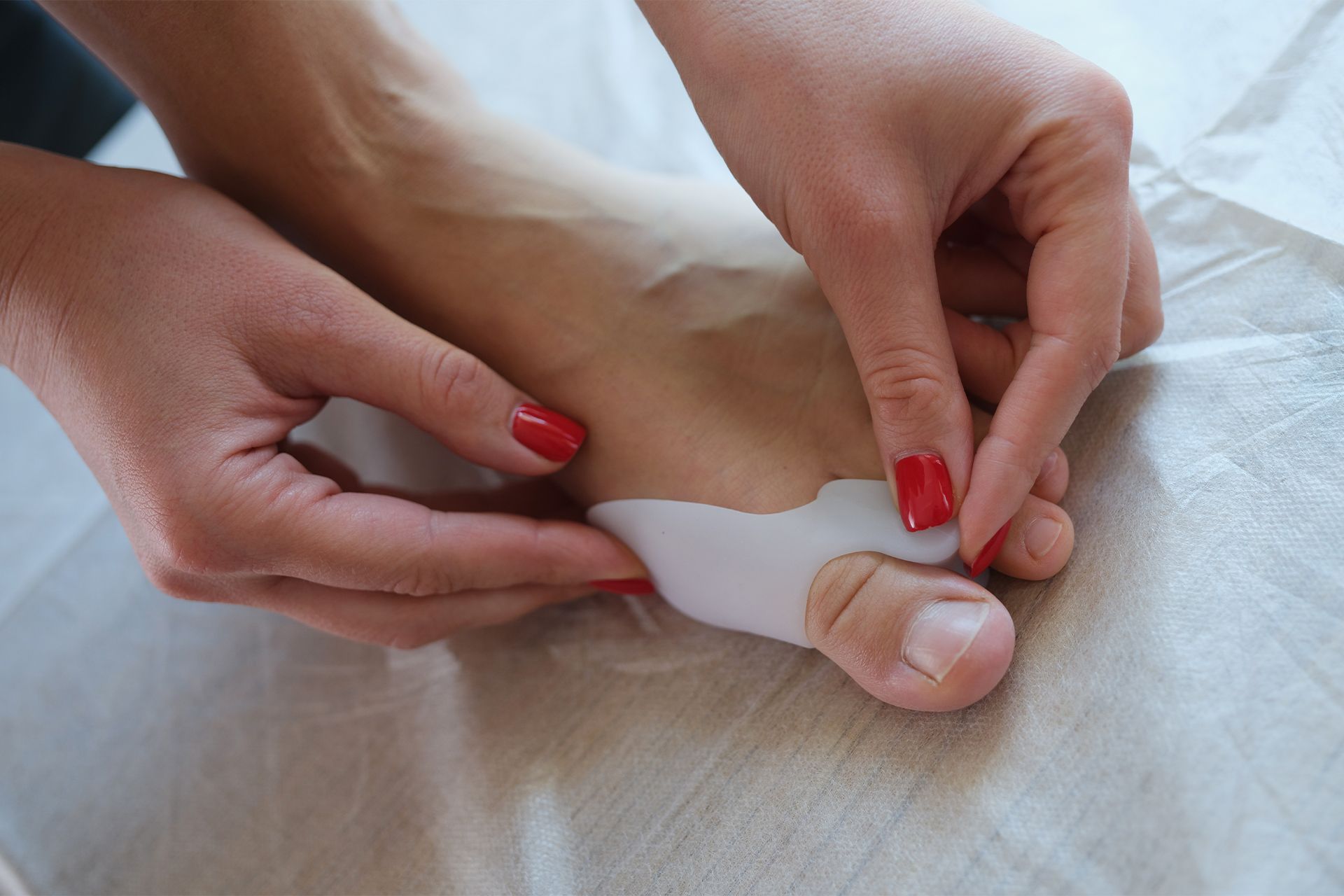
Custom orthotics provide structure and control in ways that protect injured areas during movement. They guide your feet into better positions, improve stability, and reduce the unwanted forces that often stall progress. As your gait changes, so does the stress placed on healing tissue, making recovery smoother and more predictable.
When an injury causes inflammation or altered movement, orthotics help minimize repetitive strain. By supporting the arches and controlling foot motion, they keep sensitive areas from being overloaded. This is especially useful for injuries that react strongly to impact or twisting forces, such as plantar fascia irritation, Achilles tendon issues, ankle instability, or knee pain caused by poor alignment.
Some of the injuries where orthotics commonly help include muscle strains that worsen with repeated stress, chronic conditions like plantar fasciitis, and overuse injuries that flare up during walking or running. When guided by a physiotherapist, orthotics complement strengthening and mobility programs, helping you move more comfortably throughout the recovery process.
When a Physiotherapist Recommends Custom Orthotics
Physiotherapists look for specific signs that indicate a patient may benefit from orthotic support. Ongoing pain during standing or walking, recurring discomfort with certain movements, or visible changes in gait patterns often signal a need for more controlled foot mechanics. When muscle compensation becomes noticeable or when a patient repeatedly irritates the same area despite exercise therapy, orthotics can help restore better movement patterns.
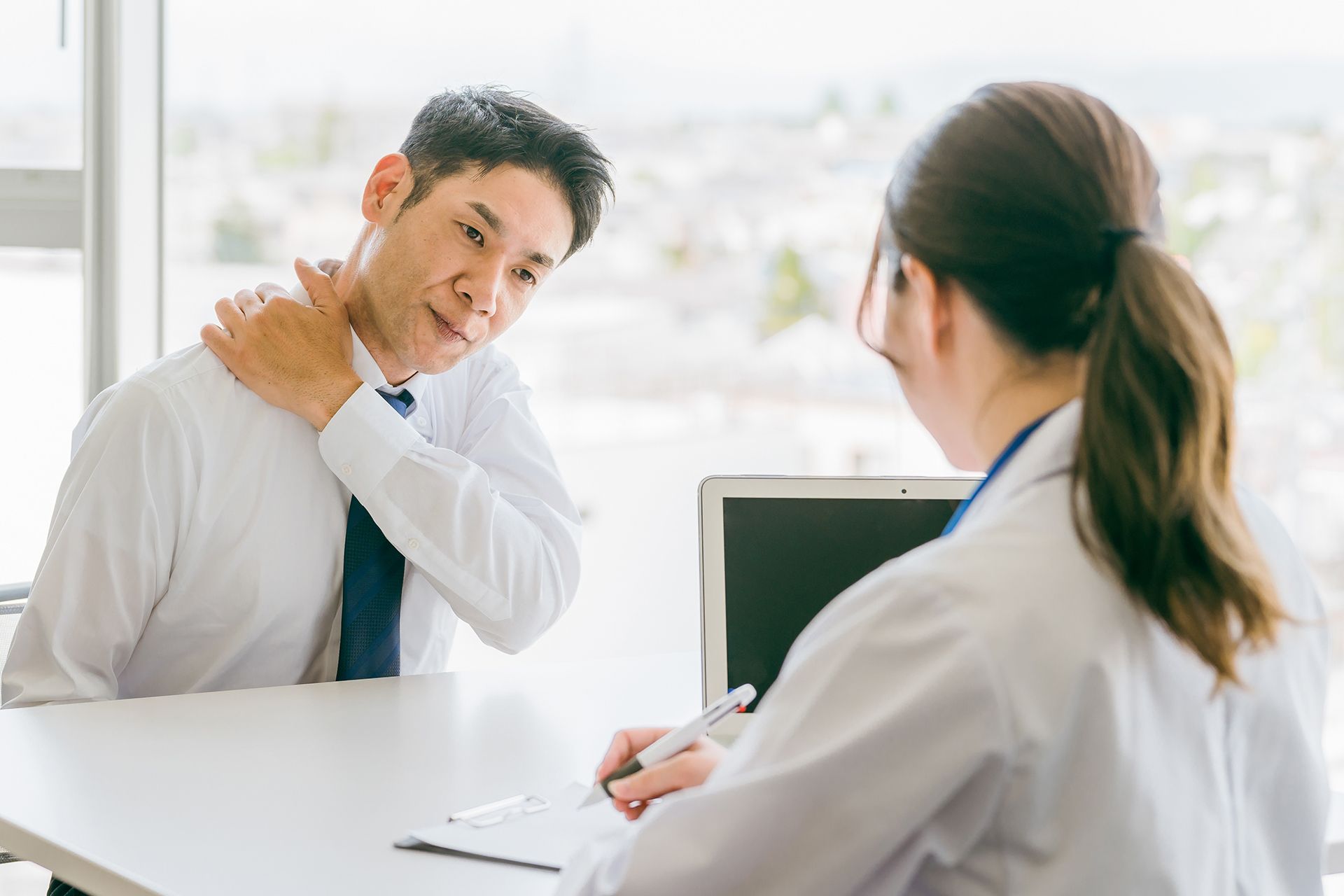
During a clinical assessment, your physiotherapist observes your gait, evaluates joint alignment, and tests the strength of the muscles that support your lower limbs. They also examine how your feet absorb and transfer load, since poor shock absorption frequently contributes to prolonged injury recovery.
Orthotics for foot pain may be recommended for scenarios such as:
- Post-ankle sprains where instability persists
- Tendon injuries aggravated by weight-bearing
- Recurrent knee or hip pain linked to flat feet or high arches
- Foot conditions that flare up during long walks or work shifts
These patterns reveal when the body needs extra support, allowing orthotics to become a strategic extension of your treatment plan.
Custom Orthotics vs. Bracing for Injury Management
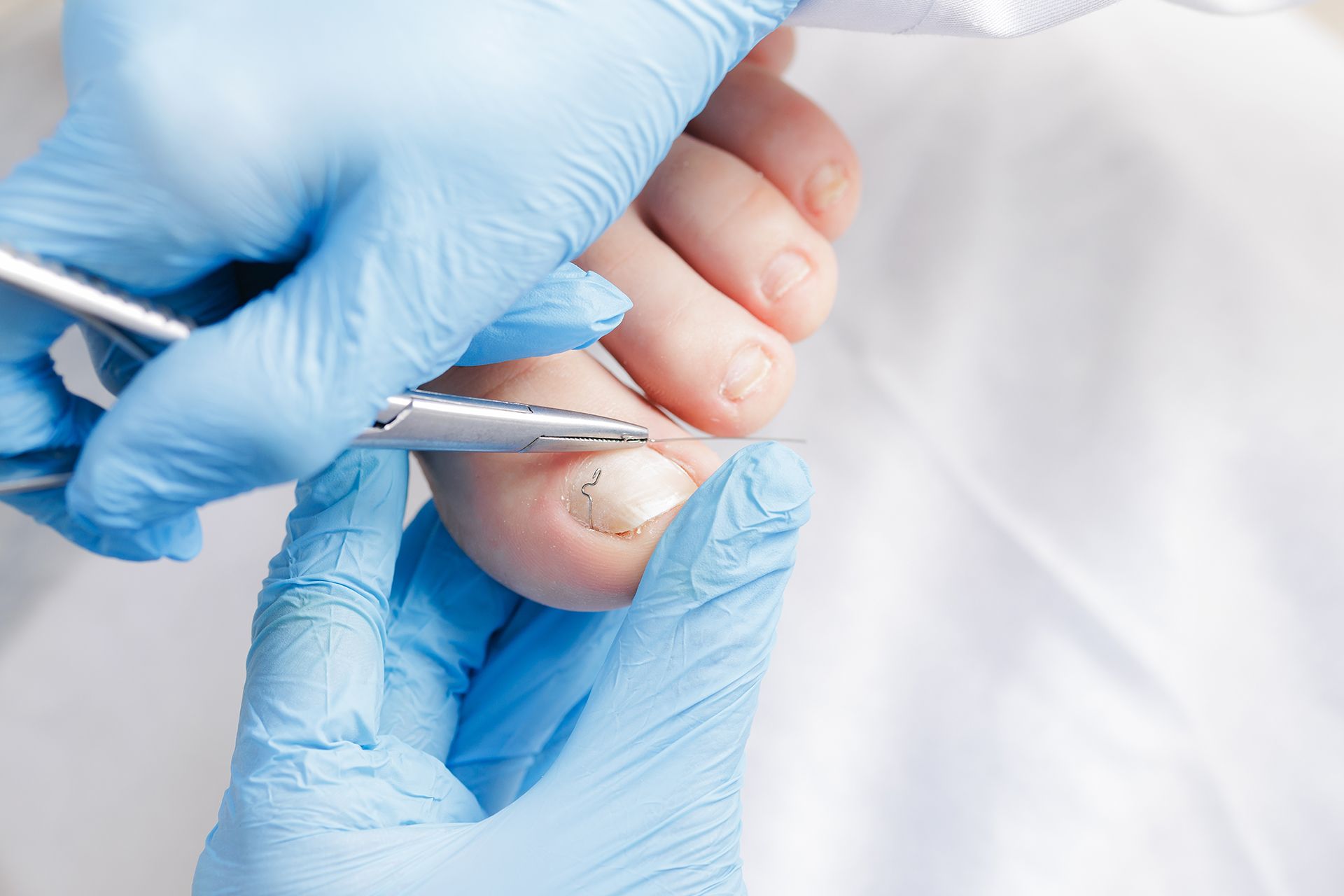
Although patients often group these devices together, orthopedic braces and custom orthotics serve different purposes. Orthotics work from the ground up, correcting alignment and supporting the entire lower chain. Braces, on the other hand, stabilise a specific joint or structure.
For example, ankle braces are helpful during ligament recovery, offering external support when tissues are still fragile. Knee braces may control rotational forces or reduce pressure on sensitive areas. Orthotics support the movement that leads into those joints, creating a healthier foundation for the entire leg.
Certain injuries benefit from using both approaches together. A patient with chronic ankle instability may use an ankle brace during higher-intensity activity, while orthotics address the underlying mechanics that contributed to the issue in the first place. When guided by a physiotherapist, the combination of support can significantly reduce pain and help patients return to activity with greater confidence.
Benefits of Custom Orthotics for Long-Term Mobility
Beyond the immediate recovery period, custom orthotics offer long-term benefits that help you move with greater ease. By supporting consistent gait patterns, they reduce compensations that often lead to pain in the feet, knees, hips, and lower back. Over time, this improves efficiency during walking and reduces fatigue.
Another major long-term benefit is reduced risk of re-injury. When the load is more evenly distributed, tissues experience less unnecessary strain, making it easier to maintain an active lifestyle without recurring flare-ups. Many patients find that orthotics for foot pain become a useful part of their wellness routine, especially if their work or activities place regular stress on their feet.
What to Expect During an Orthotic Assessment
An orthotic assessment is straightforward and designed to give your physiotherapist a detailed look at how your feet and lower limbs move. The process usually involves:
- A clinical history and discussion about your symptoms
- A gait analysis to identify how your feet strike the ground
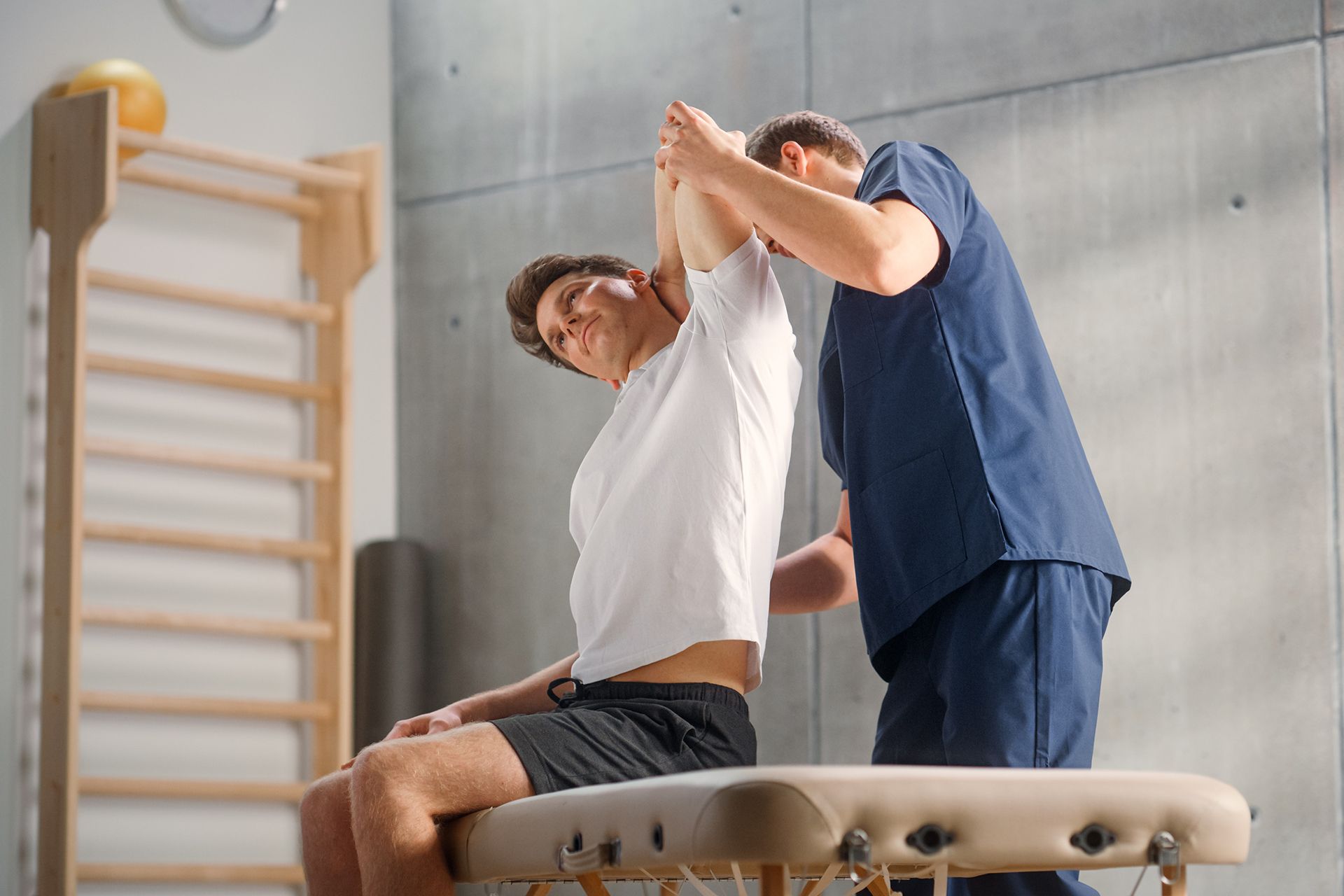
- Hands-on testing of joint mobility and muscle function
- A 3D scan or impression of your feet for precise measurements
- A fitting appointment once the orthotics are ready
- Follow-up visits to monitor comfort and adjust your treatment plan
This structured approach ensures the orthotics match your injury needs and support your recovery goals.
Injury Recovery Support With Custom Orthotics at Delta Physiotherapy
Injury recovery is far more manageable when the right support is in place. With custom orthotics, you move with better alignment, improved comfort, and greater confidence as tissues repair. At Delta Physiotherapy, we design orthotics that complement your treatment plan and help you return to activity safely.
Delta Physiotherapy has locations at Central Parkway and Erin Mills. You can give us a call at (905) 270-3086 (Central Parkway Location) or (905)-822-9898 (Erin Mills Location) or click here to get in touch online.