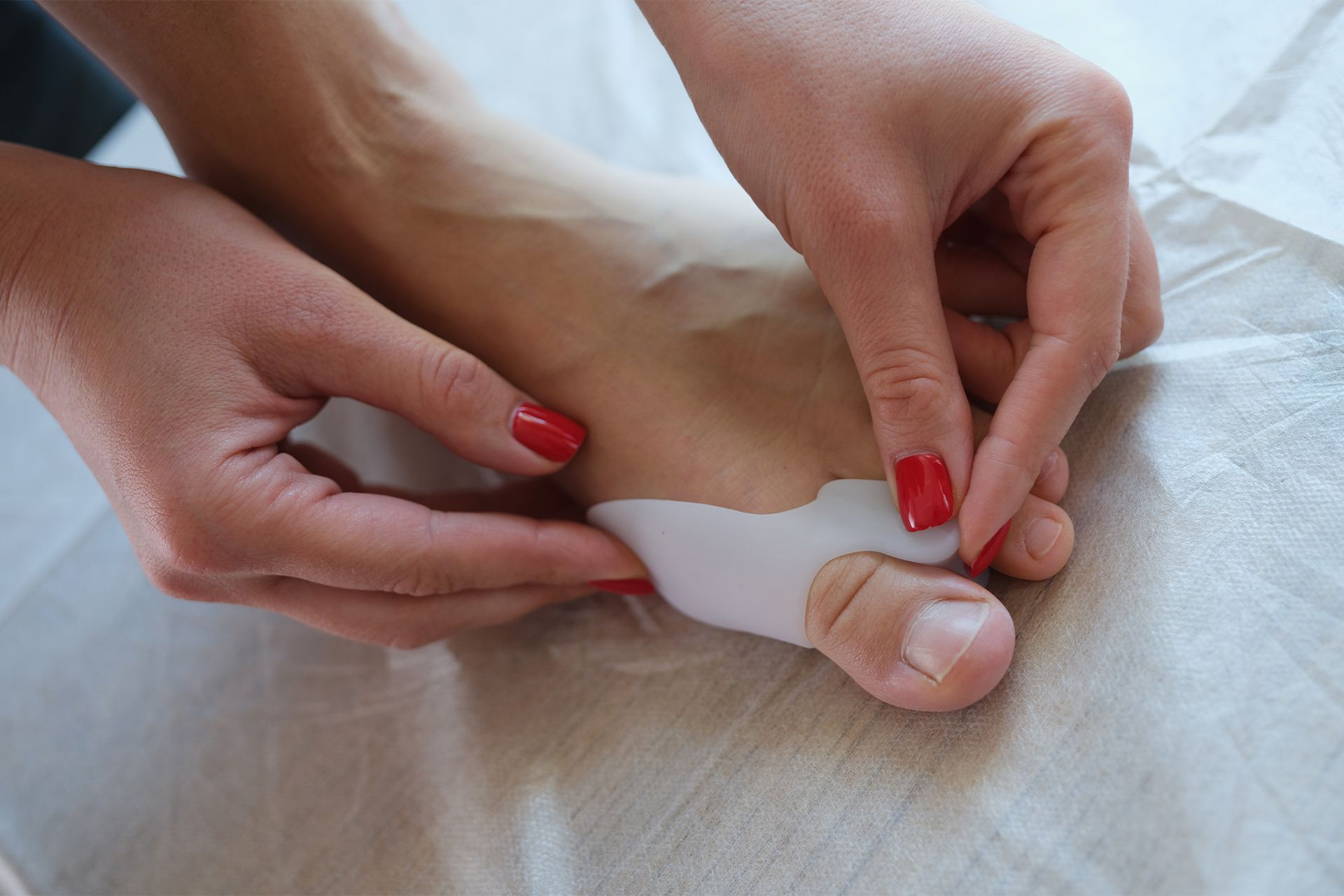
Top 3 Custom Orthotics Myths Debunked
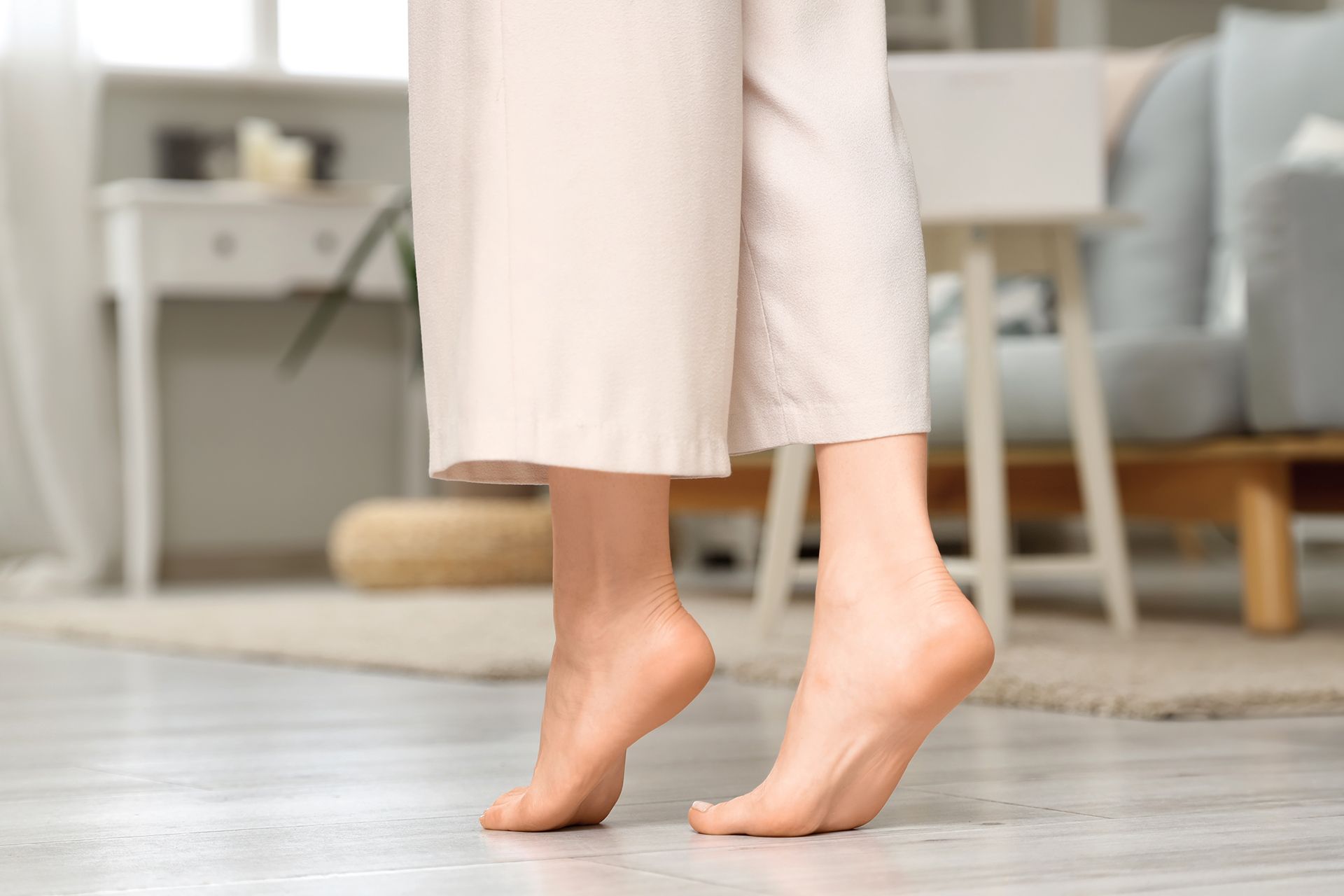
Our feet comprise a complex system of various interdependent bones, joints, muscles and ligaments. They are responsible for distributing our weight evenly so that no areas of our bodies are getting overburdened and damaged from taking up excessive pressure.
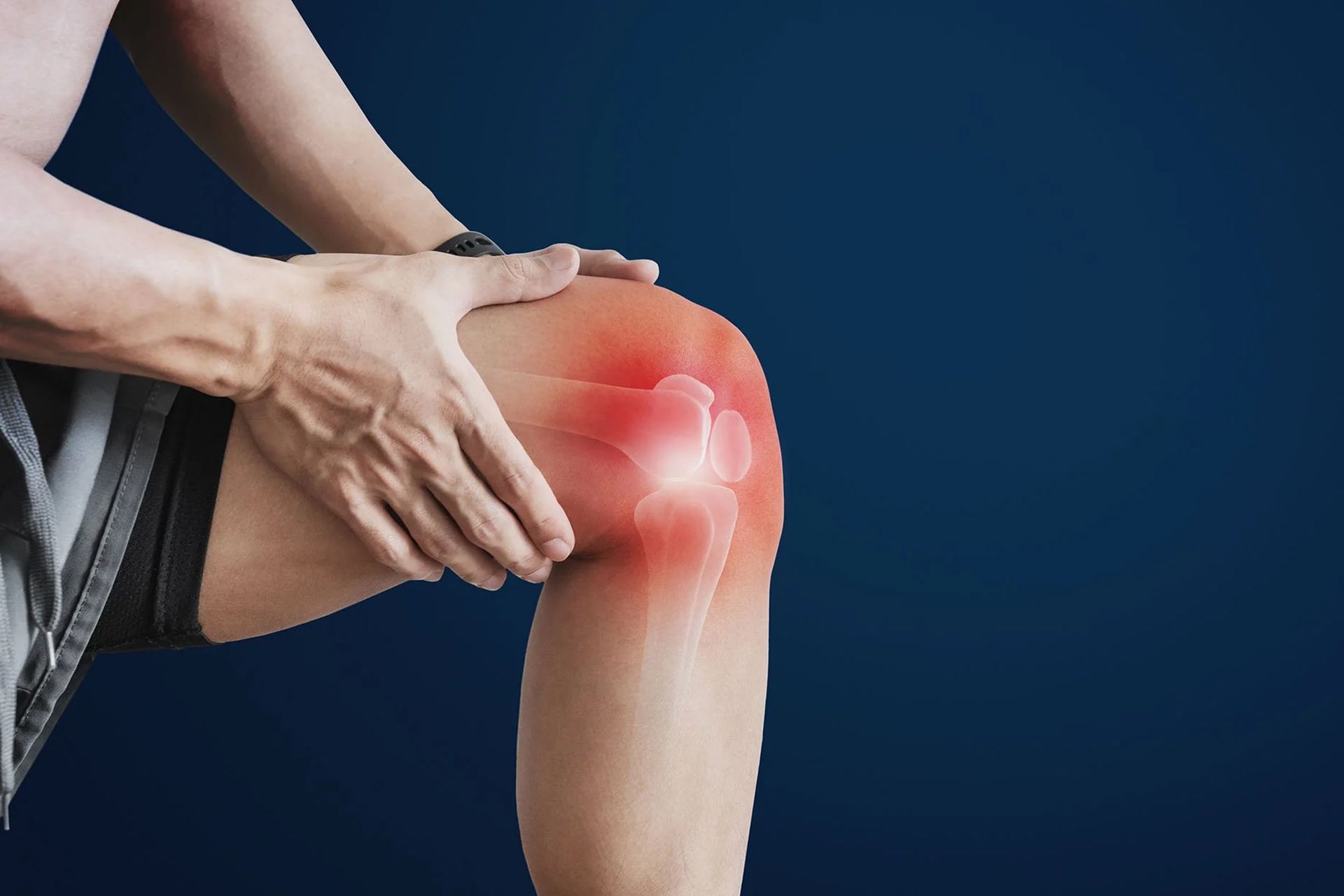
However, sometimes our anatomy, poor habits and certain environmental factors can predispose and develop biomechanical imbalances in our feet. These can cause symptoms, such as sharp heel pain and swelling, frequent stumbling and slipping, poor gait and posture and even knee and back pain.
In such cases, orthotic insoles come in handy as they can correct almost all issues with your feet and relieve you of your discomfort.
However, there seem to be various myths and misconceptions regarding foot orthotics that may leave some people hesitant. Keep on reading to see us debunk the top three custom orthotics myths for your benefit!
Orthotics Are Only For The Elderly
This one is perhaps the oldest and most prevalent myth surrounding orthotic insoles. Many people tend to associate orthotics with seniors wearing large, unappealing shoes. The normal wear and tear occurring with age can indeed take a toll on older people’s musculoskeletal system and lead to arthritis and other foot issues that often require measures.
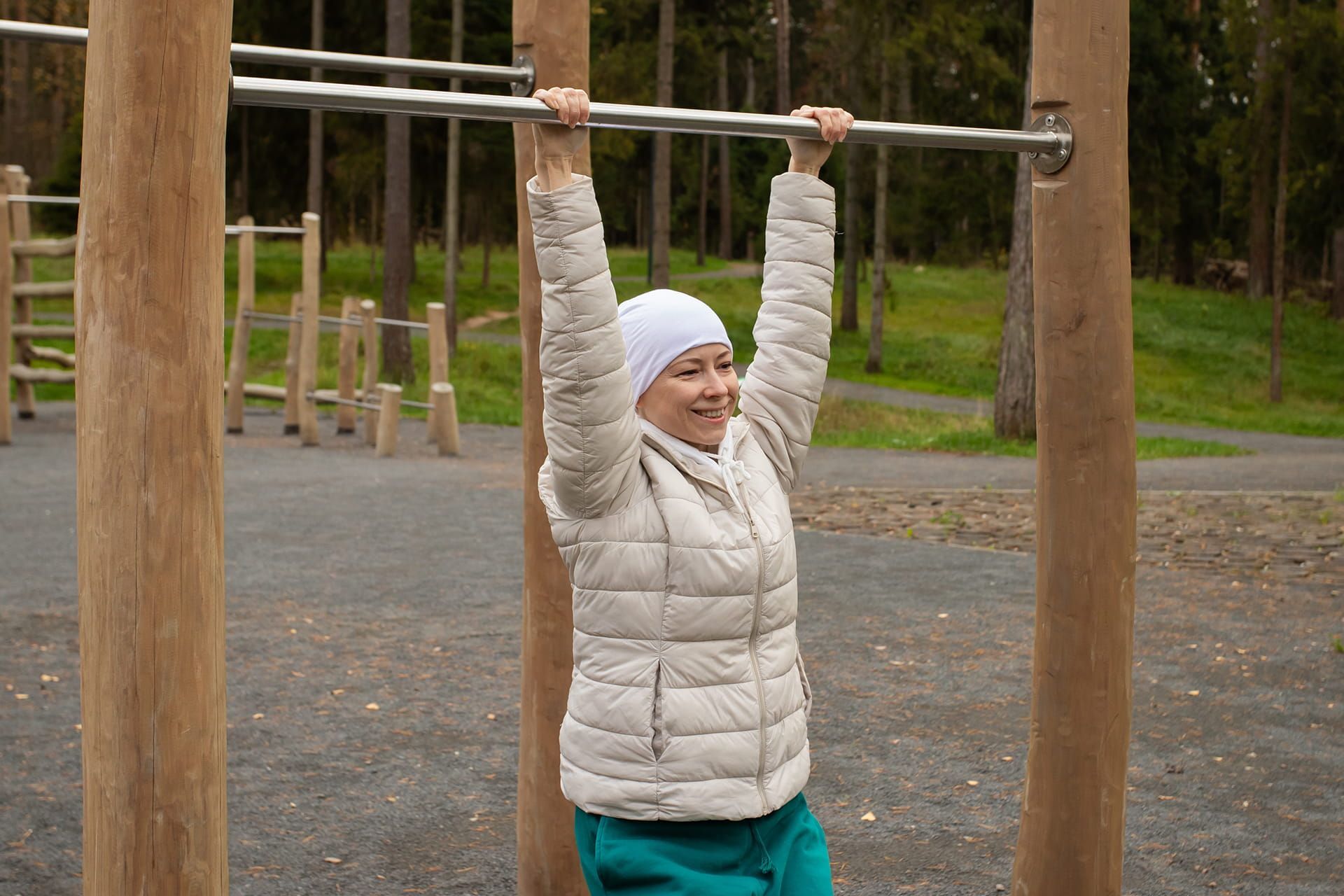
However, foot problems can occur at any point during our lives, making custom orthotics appropriate for people of all ages. Contrary to popular belief, children are especially susceptible to over-pronation and over-supination, making them the ideal candidates for orthotics.
They will ensure their joints, bones, and ligaments are growing the way they should and may prevent unnecessary pain and musculoskeletal imbalances in the future.
Custom Orthotics Are The Same As Over-The-Counter Orthotics
Whether it’s size, shape or form, everyone’s feet are unique. While over-the-counter orthotics can sometimes alleviate some of the discomforts, they do not address the specifics in your foot anatomy.
On the other hand, opting for custom orthotics following gait analysis and a complete biomechanical assessment will provide you with much more flexibility. A certified podiatrist will design them using appropriate materials so that they can address every minute detail of your feet to ensure optimal support and comfort.
Over-the-counter orthotics may work to some extent for some people, but they are far inferior to custom orthotics for their lack of flexibility.
Custom Orthotics Are Unaffordable
At first sight, mass-market foot insoles can be relatively cheaper than custom ones since they are much easier to produce. However, many of them tend to use cheap materials that significantly shorten their lifespan. As a result, OTC insoles might even end up costing you more in the long term.
What’s more, the causes behind your feet problems can be many, and it’s not always easy to choose the right product on your own. In some cases, going for the wrong pair of foot insoles can even exacerbate your symptoms.
Don’t compromise your health, but reach out to a certified podiatrist who will examine your situation and devise a rational solution.
Book Your Next Appointment With Us Today!
There are many myths and misconceptions surrounding custom orthotics, but virtually all of them are groundless. Orthotics are incredible medical devices that can prevent or correct existing biomechanical issues with your feet to ensure you are not experiencing pain and discomfort.
The Delta Physiotherapy & Rehab clinic in Mississauga has a fully equipped team of highly skilled professionals that puts your full recovery as its top priority. Apart from custom orthotics, we provide various services, including physiotherapy, chiropractic care, massage therapy and acupuncture.
If you are experiencing foot pain or would like to learn more about our services, call us at 905-270-3086 or schedule an appointment using our online platform.