Pain Relief with Shockwave Therapy: Boost Your Recovery Today
In the journey to recovery, managing pain effectively is a crucial step that can significantly impact your quality of life. Whether you're dealing with chronic pain, recovering from an injury, or looking for non-invasive treatment options, shockwave therapy may be the solution you need. At Delta Physiotherapy & Rehab in Central Parkway and Dundas, Mississauga, we are dedicated to providing innovative treatment options like shockwave therapy to help our patients find relief and enhance their recovery. In this blog post, we'll explore how shockwave therapy works, its benefits, and how it can become an integral part of your healing journey.
What is Shockwave Therapy?
Shockwave therapy is a non-invasive treatment that uses high-energy sound waves, also known as acoustic waves, to target and treat specific areas of pain in the body. Originally developed for the treatment of kidney stones, this therapy has evolved and is now widely used in physiotherapy for musculoskeletal conditions.
How Shockwave Therapy Works
Shockwave therapy delivers high-energy sound waves to the affected area, stimulating the body's natural healing processes. The therapy works by:
- Increasing Blood Flow: The shockwaves stimulate blood circulation in the treated area, which aids in tissue healing and regeneration.
- Reducing Pain: The therapy promotes the release of endorphins, the body's natural painkillers, providing immediate pain relief.
- Promoting Collagen Production: Shockwaves stimulate collagen production, which helps repair and strengthen damaged tissues.
- Breaking Down Calcifications: In cases where calcified deposits are present, such as in tendons, shockwave therapy can help break down these deposits, facilitating better movement and function.
Conditions Treated with Shockwave Therapy
Shockwave therapy is effective in treating a variety of musculoskeletal conditions. Some of the most common conditions we address at Delta Physiotherapy & Rehab include:
Plantar Fasciitis
This condition, characterized by heel pain, results from inflammation of the plantar fascia. Shockwave therapy can help reduce pain and promote healing in this fibrous band of tissue.
Tennis Elbow
Tennis elbow, or lateral epicondylitis, is a painful condition caused by overuse of the elbow joint. Shockwave therapy helps alleviate pain and inflammation, allowing patients to regain mobility and function.
Rotator Cuff Tendinopathy
Shockwave therapy is effective in treating rotator cuff injuries, which involve inflammation or tears in the tendons of the shoulder. The therapy promotes healing and reduces pain in the affected area.
Achilles Tendinitis
Inflammation of the Achilles tendon can be debilitating, affecting the ability to walk and run. Shockwave therapy can help reduce pain and enhance recovery by stimulating tissue repair.
Patellar Tendinitis
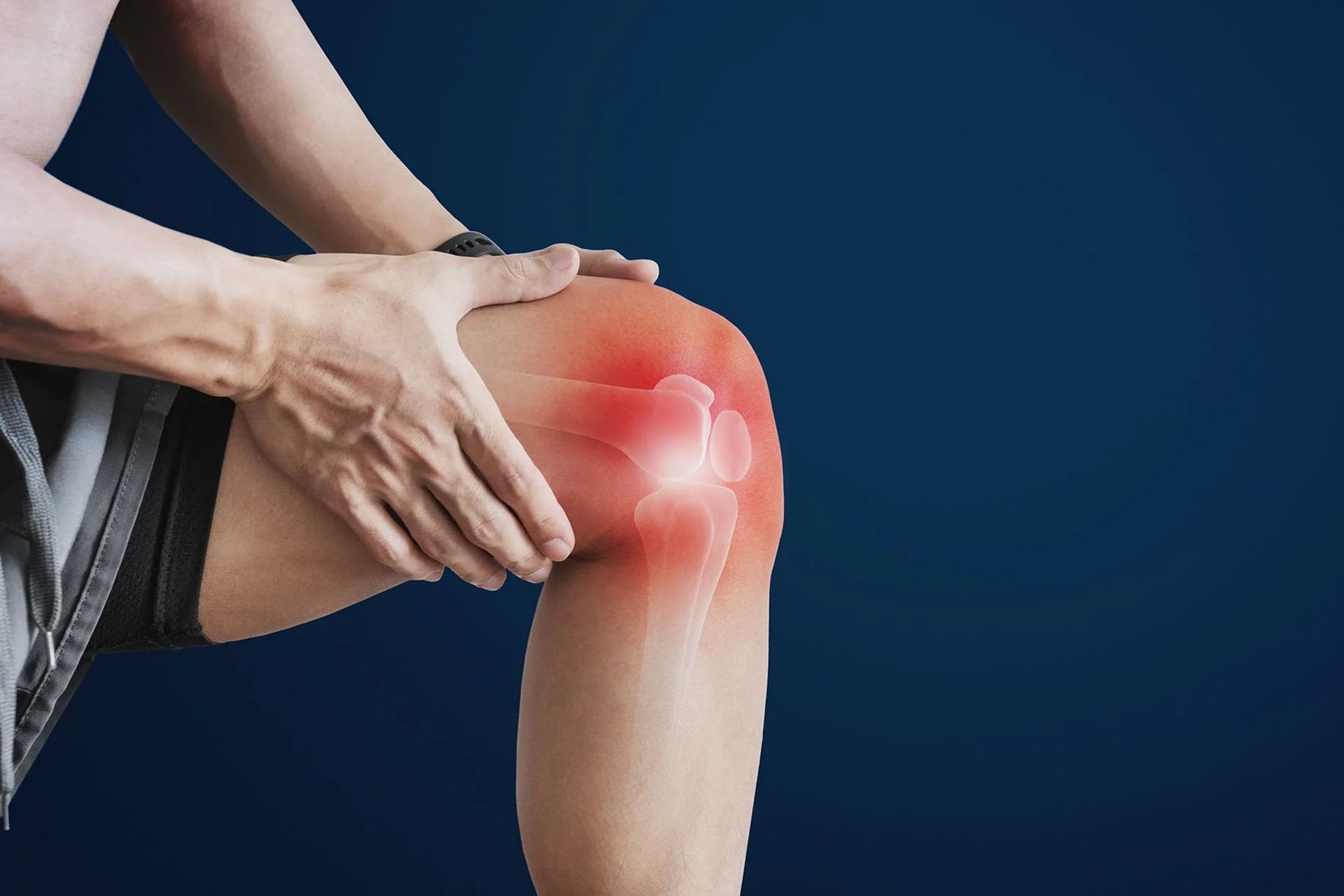
Commonly known as "jumper's knee," this condition affects the tendon connecting the kneecap to the shinbone. Shockwave therapy can relieve pain and promote healing of the tendon.
Benefits of Shockwave Therapy
Non-Invasive and Safe
One of the most significant advantages of shockwave therapy is that it is non-invasive and does not require surgery or medication. It is a safe treatment option with minimal side effects, making it accessible to a wide range of patients.
Quick and Efficient
Shockwave therapy sessions are typically quick, lasting around 15-30 minutes depending on the treatment area. Patients often experience pain relief after just a few sessions, making it an efficient option for those seeking fast results.
Promotes Long-Term Healing
Unlike temporary pain relief methods, shockwave therapy addresses the underlying causes of pain by promoting natural healing processes. This approach leads to long-term improvements in pain management and functional mobility.
Improves Quality of Life
By reducing pain and improving mobility, shockwave therapy enhances overall quality of life. Patients can return to their normal activities and enjoy a more active lifestyle without the limitations of pain.
Shockwave Therapy at Delta Physiotherapy & Rehab
At Delta Physiotherapy & Rehab, we are committed to providing personalized care and treatment plans that suit the unique needs of each patient. Our team of experienced physiotherapists will conduct a comprehensive assessment to determine if shockwave therapy is the right option for you. Here's how we integrate shockwave therapy into our approach:
Personalized Treatment Plans
We customize shockwave therapy sessions based on your specific condition and treatment goals. Our physiotherapists will work closely with you to monitor progress and adjust your treatment plan as needed.
Expert Guidance and Support
Our team is dedicated to guiding you through every step of your recovery journey. We provide expert advice, support, and education to help you achieve the best possible outcomes with shockwave therapy.
Comprehensive Care
Shockwave therapy is often used in conjunction with other physiotherapy treatments, such as manual therapy and exercise programs. We take a holistic approach to care, ensuring that all aspects of your recovery are addressed.
Take the First Step Towards Pain Relief
Are you ready to experience the benefits of shockwave therapy and boost your recovery? Delta Physiotherapy & Rehab is here to help you achieve pain relief and enhance your quality of life. Our team is committed to your health and well-being, providing the support you need every step of the way.
Contact us today at our Central Parkway or Dundas location to schedule a consultation and learn more about how shockwave therapy can benefit you. Call us at (905) 270-3086 or email info@deltaphysiotherapy.ca. Take the first step towards a pain-free and active future, and let us guide you on your path to recovery!