Knee Deep in Knowledge: The ACL
The Anterior Cruciate Ligament (ACL)
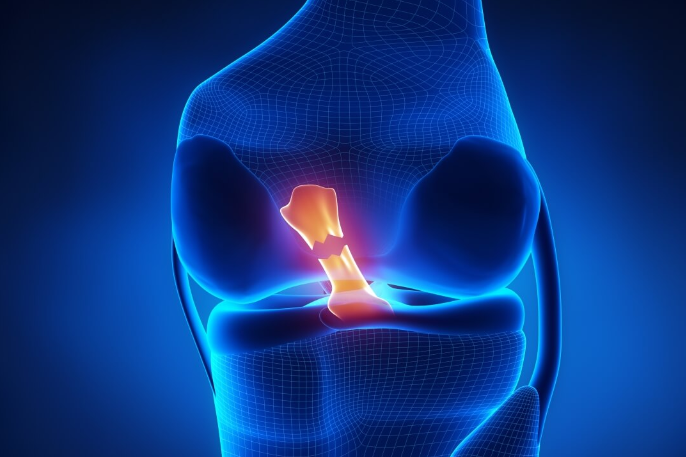
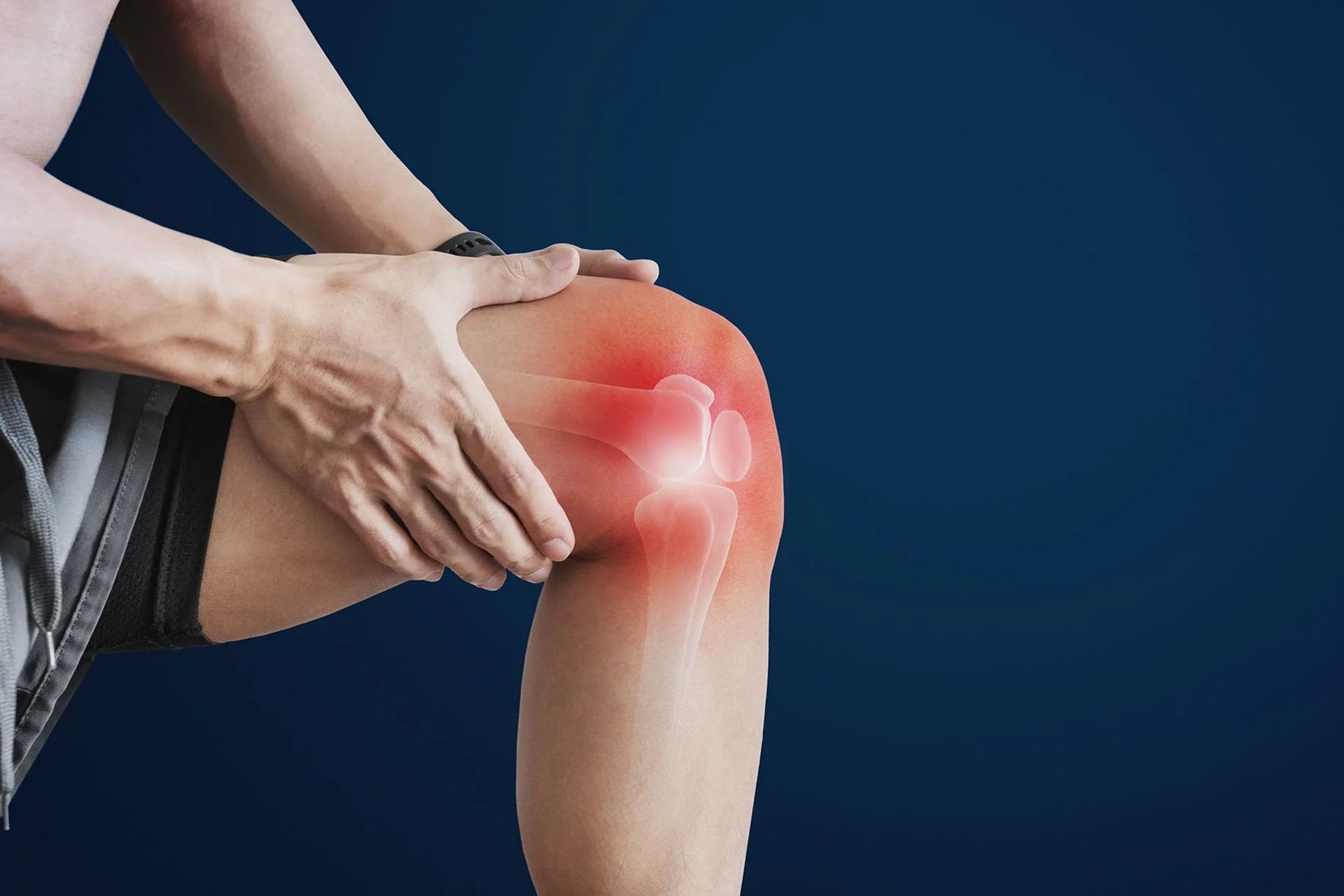
The anterior cruciate ligament (ACL) is a vital structure in the knee joint, responsible for providing stability during activities like running, jumping, and pivoting. An ACL tear can be a significant injury, impacting mobility and sports performance.
What is the ACL?
The anterior cruciate ligament, or ACL, is one of the key ligaments in the knee, connecting the thigh bone (femur) to the shin bone (tibia). Its primary role is to prevent excessive forward movement of the tibia in relation to the femur and to stabilize the knee joint during rotational movements.
What are the causes and risk factors of an ACL tear?
An ACL tear often occurs during sports that involve sudden stops, changes in direction, or direct impact to the knee. Common causes include pivoting or landing incorrectly, sudden stops or shifts in direction, and collision with another player. Factors like age, gender (females are more prone), and participation in high-risk sports can increase the risk.
What are the symptoms of an ACL tear?
The symptoms of an ACL tear are as follows: sudden and severe pain at the time of injury, swelling within the knee joint usually within 4 hours of the injury, instability or a feeling of giving way in the knee, an audible "popping" sound at the time of injury, and difficulty bearing weight on the affected leg.
The ACL Epidemic in Sport
In recent years, there has been a significant increase in the number of amateur and professional athletes tearing their ACLs. Many studies have already been conducted and it seems that more research pops up everyday. However, there has not been conclusive evidence on any one particular cause being the reason for the increase in prevalence in athletes, especially female athletes. There have been studies on factors such as playing surface, type of shoes, body mechanics, Q angles (the angle formed between the quadriceps muscles and the patella tendon), stress levels, hormone levels, and more. One of the more recent ideas is that, especially in terms of female athletes, the rapid increase in intensity of the games and recent congestion of the schedules has played a role in the increase of ACL tears. As an example, almost 200 professional women’s soccer players have torn their ACLs in the last 18 months alone (Robson, 2024). While this many tears in such a short period of time is cause for concern in itself, this injury has one of the longest return to sport protocols lasting from 9 months up to a year in most cases. This increase has been dubbed as the ‘ACL Epidemic’ in recent years.
How can Physiotherapy Benefit you?
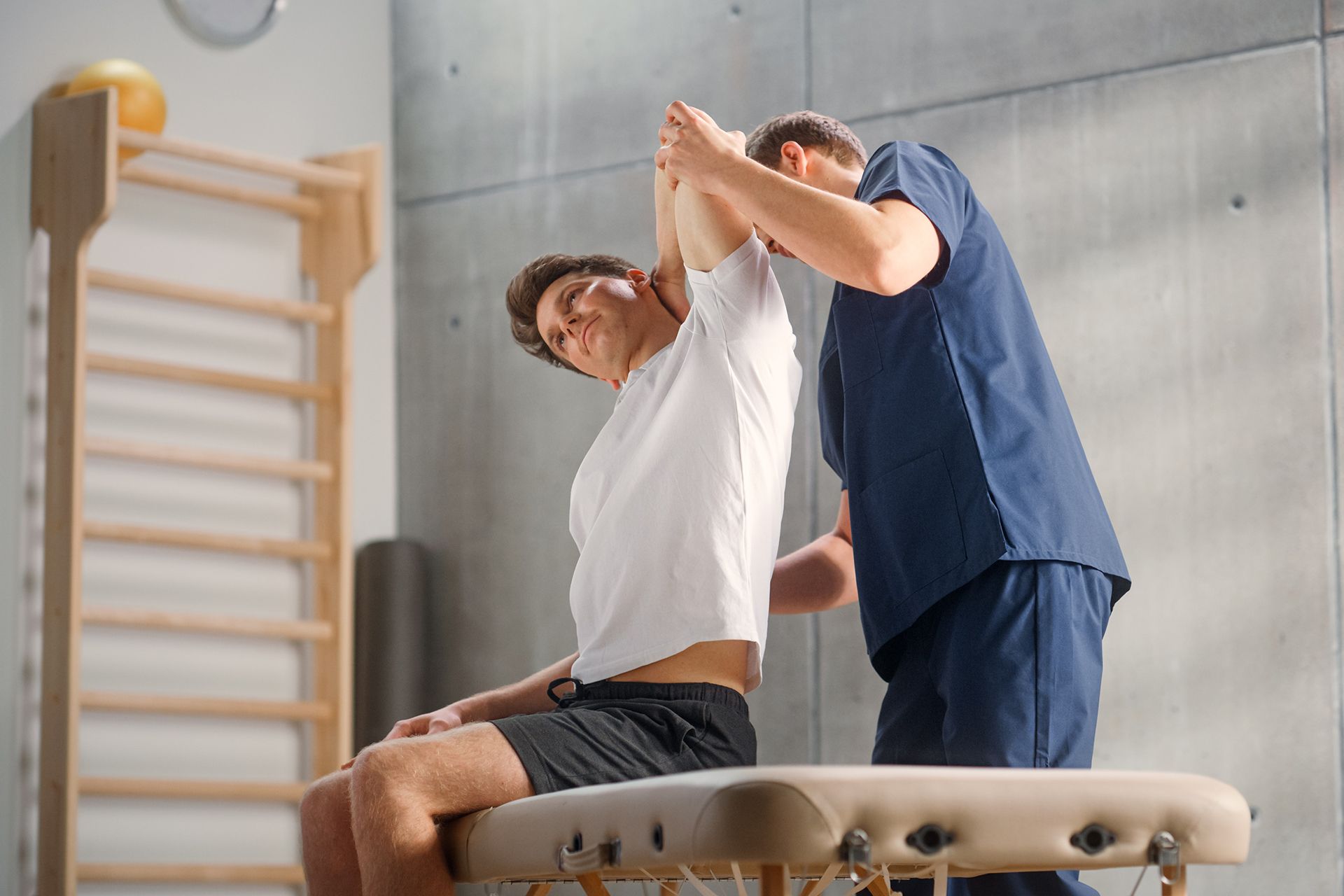
Physiotherapy plays a crucial role in ACL tear management. At Delta Physiotherapy and Rehab, initial treatment focuses on reducing pain and swelling through modalities like ice, compression, and elevation. Later phases involve exercises to restore range of motion, strengthen surrounding muscles, and improve knee stability. Physiotherapy is a crucial aspect of getting full function of the injured knee back, both for those who have chosen surgery and those who have elected to go without the reconstruction surgery. While the reconstruction surgery is typically recommended, especially for full ACL tears and those going back to sports with running, jumping, pivoting, and cutting, it is possible to regain function of the knee with physiotherapy alone with lower grade tears. For those who need or elect to get reconstruction surgery, it is also recommended that physiotherapy be started before the surgery. Prehab helps to prep the knee for surgery by reducing swelling, regaining range of motion, strengthening the surrounding muscles, and maintaining fitness levels. At Delta Physiotherapy and Rehab, we are trained to help you get to optimal levels before surgery and get you back to your regular activities and sports post-surgery.
The management of an ACL tear depends on various factors including the severity of the injury, individual lifestyle, and desired level of activity. Physiotherapy is a cornerstone of treatment, with surgery recommended for those who aim to return to high-impact sports or work requiring knee stability. Consulting with a healthcare professional is essential to determine the most suitable course of action for each individual's unique circumstances.
Book a free 15 minute consultation with us today at Delta Physiotherapy and Rehab at either of our convenient locations in Central Parkway or Dundas, Mississauga, and we can get you started on your healing journey!