How vestibular damage can impact your life
Vestibular damage can have a profound impact on an individual's life, affecting their balance, coordination, and overall well-being. In this blog, we will explore what vestibular damage is, its symptoms, and how it can disrupt daily activities. We will also discuss management techniques, available resources, and the long-term outlook for individuals living with vestibular damage.
1. What is vestibular damage and what are the symptoms?
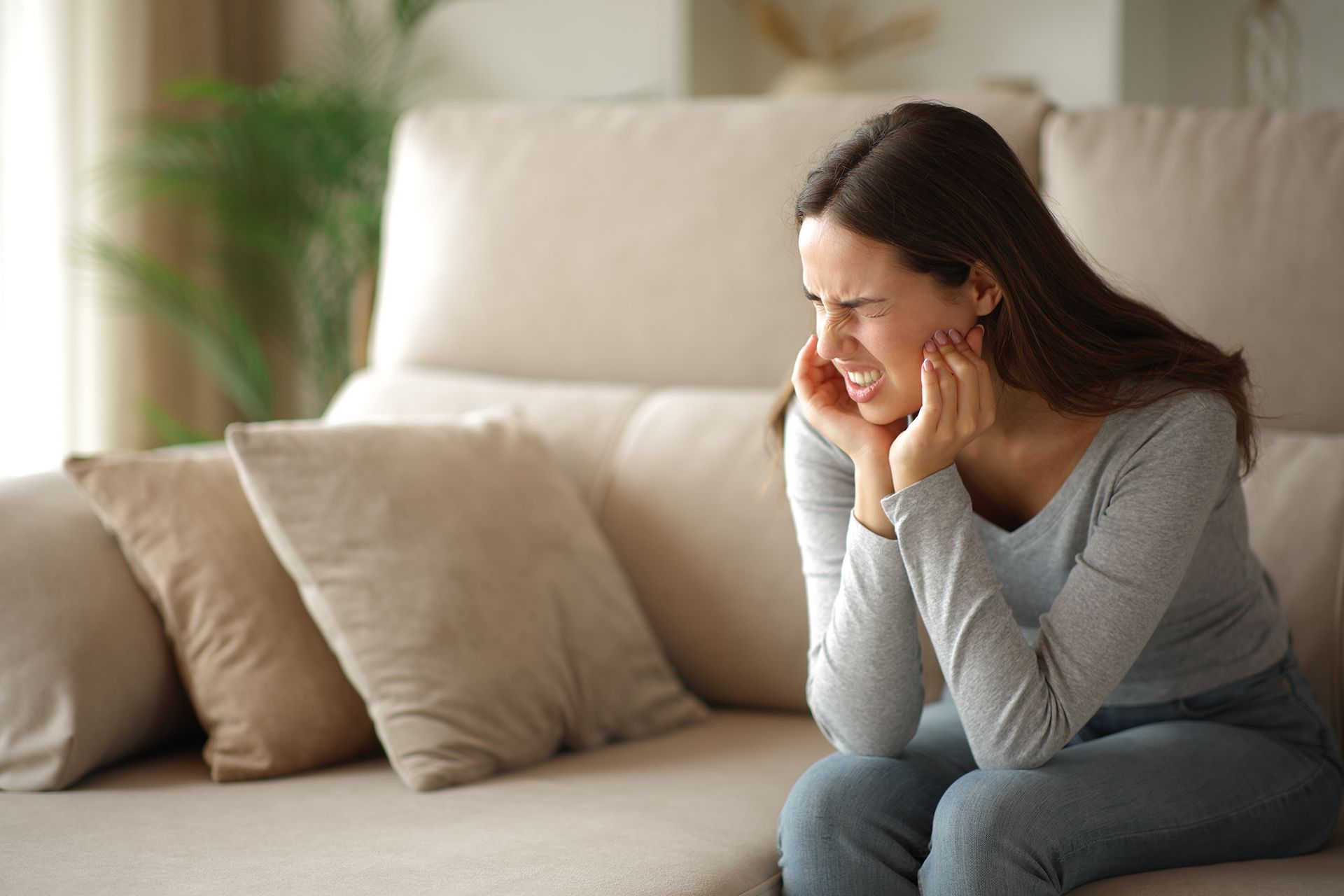
Vestibular damage refers to impairment or dysfunction of the vestibular system responsible for maintaining balance and spatial orientation. It can be caused by various factors, including infections, head injuries, ear problems, or age-related changes. Symptoms may include dizziness, vertigo, loss of balance, nausea, sensitivity to motion, and difficulty concentrating or focusing.
2. How does vestibular damage affect daily activities, such as eating, bathing, and dressing oneself?
Vestibular damage can significantly impact an individual's ability to perform basic self-care tasks. Simple activities like eating, bathing, and dressing oneself can become challenging and even dangerous. The loss of balance and coordination may lead to falls, making individuals dependent on assistance for daily tasks, compromising their independence and quality of life.
3. How can you manage vestibular damage to improve your quality of life?
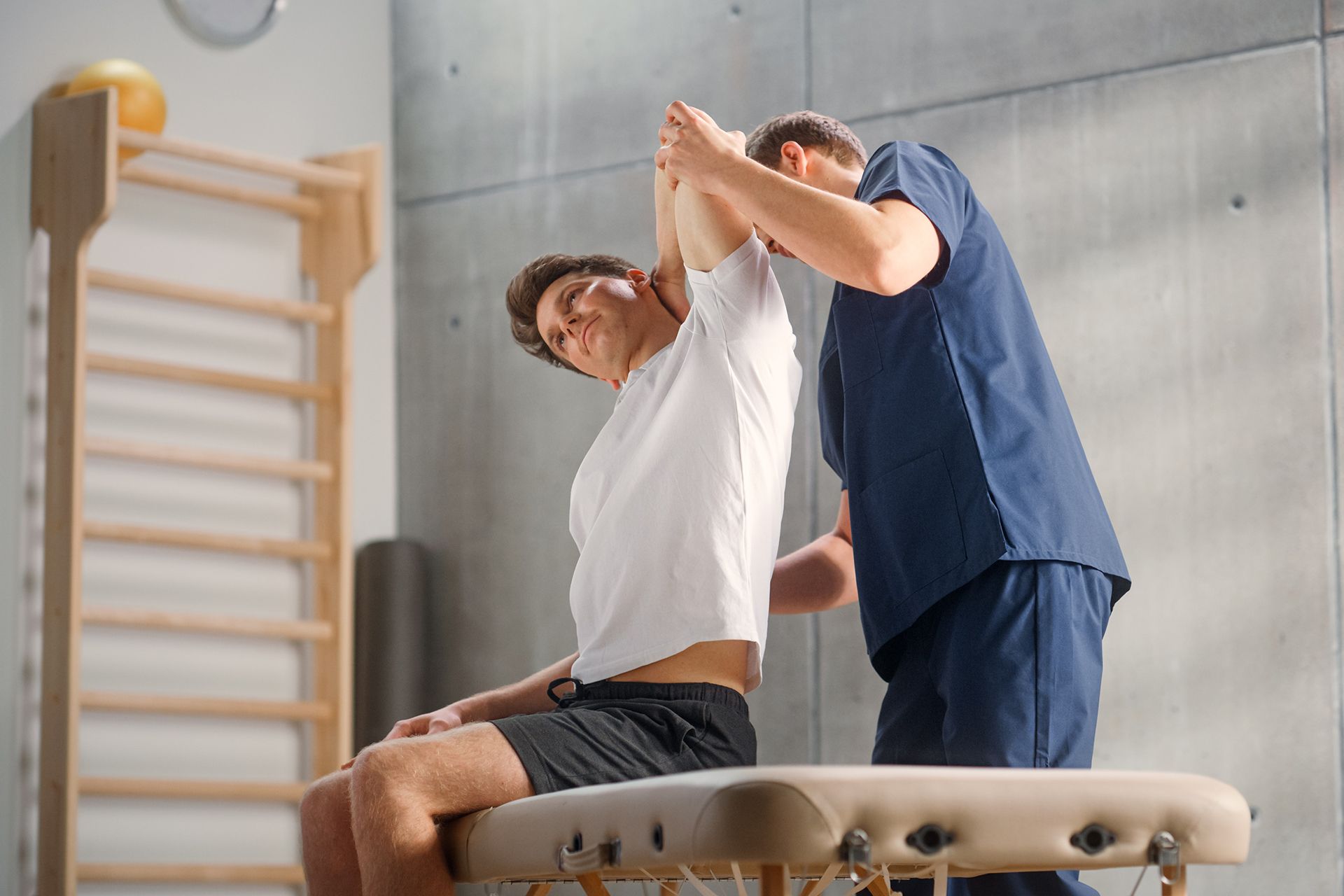
Although vestibular damage can be life-altering, there are several management strategies to help individuals regain control and improve their quality of life. Physical therapy exercises targeting balance and coordination, along with vestibular rehabilitation, can help retrain the brain to compensate for vestibular dysfunction. Additionally, lifestyle modifications, such as maintaining a regular sleep schedule, managing stress, and avoiding triggers like excessive noise or bright lights, can minimize symptoms.
4. What resources are available for people living with vestibular damage and their families/caregivers?
Living with vestibular damage can be overwhelming, but individuals and their families/caregivers can find support through various resources. Support groups, both in-person and online, provide opportunities to connect with others facing similar challenges, share experiences, and exchange coping strategies. Additionally, healthcare professionals, such as physiotherapists specialized in vestibular rehabilitation, can offer personalized guidance and treatment plans.
5. What is the long-term outlook for people living with vestibular damage?
The long-term outlook for individuals with vestibular damage varies depending on the underlying cause and individual factors. While some cases may improve or stabilize over time, others may require ongoing management. With the right treatment, support, and lifestyle modifications, individuals can adapt and regain a fulfilling life, gradually returning to their daily activities with increased confidence and independence.
Vestibular damage can have a profound impact on an individual's life, affecting their ability to perform daily tasks and compromising their overall quality of life. However, with appropriate management techniques, support resources, and specialized care, individuals living with vestibular damage can adapt and improve their well-being. If you or a loved one are experiencing symptoms of vestibular damage, it is crucial to seek professional help. Contact Delta Physiotherapy & Rehab to receive expert guidance and support on your journey toward reclaiming a balanced and fulfilling life.
Contact Delta Physiotherapy & Rehab today to schedule a consultation and learn how we can assist you in managing your vestibular damage and improving your quality of life.