Heel to Toe: Managing Plantar Fasciitis Effectively
Plantar fasciitis is a common and often painful foot condition that affects many individuals, particularly those who are on their feet for extended periods. Characterized by sharp heel pain, especially during the first steps in the morning, plantar fasciitis can significantly impact daily activities and overall quality of life. At Delta Physiotherapy & Rehab in Central Parkway and Dundas, Mississauga, we specialize in helping patients effectively manage and overcome plantar fasciitis through comprehensive treatment plans. In this post, we will explore the causes, symptoms, and treatment options for plantar fasciitis, empowering you to take control and find relief.
Understanding Plantar Fasciitis
Plantar fasciitis occurs when the plantar fascia, a thick band of tissue that connects the heel bone to the toes, becomes inflamed. This tissue plays a vital role in supporting the arch of the foot and absorbing shock during movement. Repeated strain on the plantar fascia can lead to small tears, causing irritation and inflammation.
Common Causes of Plantar Fasciitis
While the exact cause of plantar fasciitis can vary from person to person, several factors can contribute to the condition:
1. Overuse or Overactivity: Activities that place excessive stress on the heel and attached tissues, such as running or standing for long periods, can increase the risk of developing plantar fasciitis.
2. Foot Structure: Individuals with flat feet or high arches may be more prone to plantar fasciitis due to improper distribution of weight across the foot.
3. Age: Middle-aged adults are more likely to experience plantar fasciitis, although it can occur at any age.
4. Improper Footwear: Wearing shoes that lack adequate support or cushioning can lead to increased strain on the plantar fascia.
5. Obesity: Excess body weight places additional stress on the plantar fascia, potentially leading to inflammation and pain.
Recognizing the Symptoms
The primary symptom of plantar fasciitis is heel pain, especially when taking the first steps in the morning or after periods of rest. This pain may decrease with movement but can return after prolonged activity. Additional symptoms may include:
- Tenderness along the bottom of the foot
- Swelling or inflammation in the heel area
- Stiffness in the foot after prolonged sitting
Effective Treatment Options
At Delta Physiotherapy & Rehab, we offer a range of treatment options to help you manage plantar fasciitis effectively. Our goal is to alleviate pain, reduce inflammation, and restore function to the affected foot. Here are some of the key approaches we use:
1. Physical Therapy
Our experienced physiotherapists will design a personalized exercise program to stretch and strengthen the plantar fascia, Achilles tendon, and calf muscles. Regular physical therapy can help improve flexibility and support the healing process.
2. Custom Orthotics
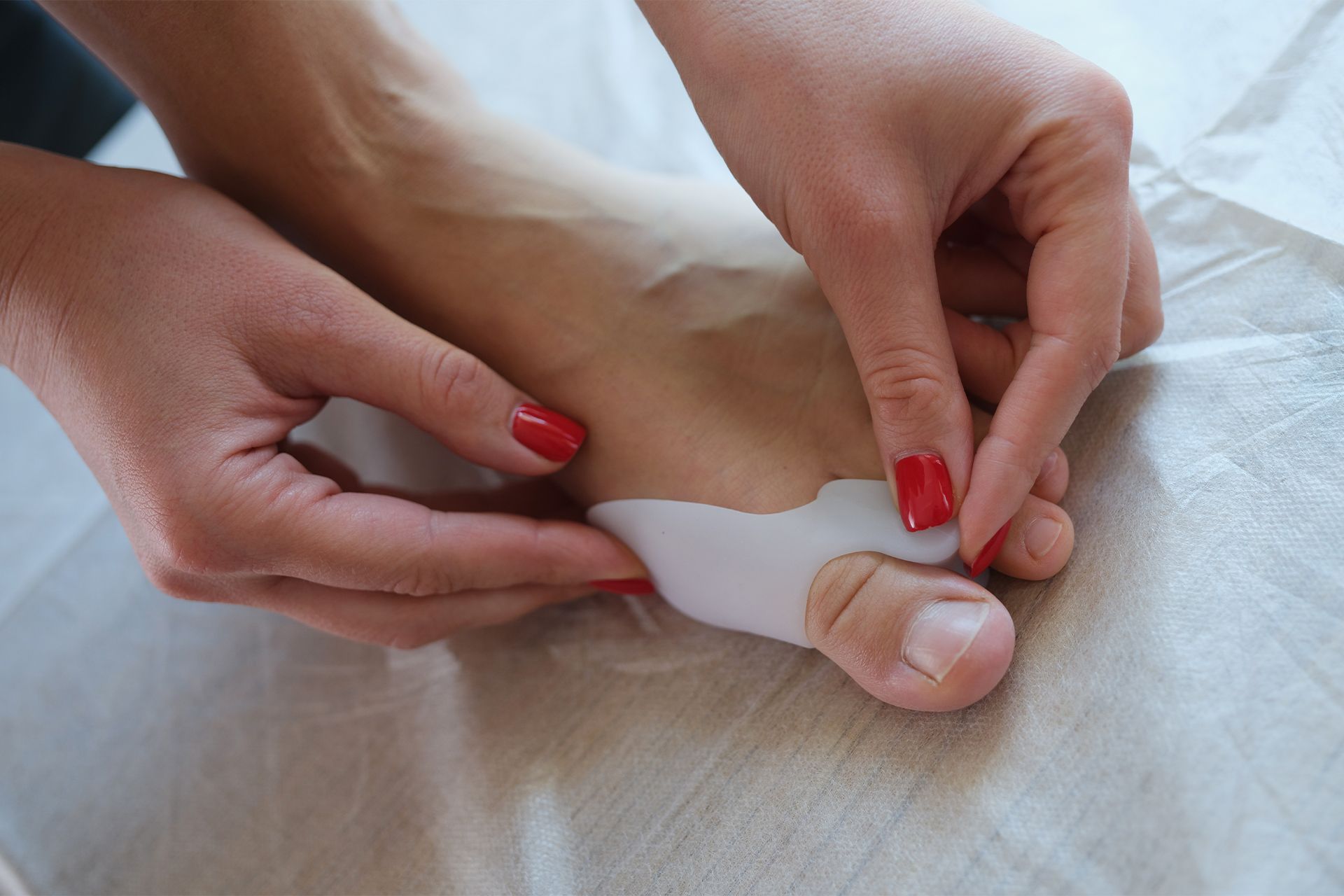
Custom orthotic devices can provide the necessary support and cushioning to alleviate strain on the plantar fascia. Our specialists will assess your foot structure and gait to create orthotics tailored to your specific needs.
3. Manual Therapy
Hands-on techniques, such as massage and myofascial release, can help reduce tension in the foot and promote healing. These therapies can improve circulation and alleviate discomfort.
4. Shockwave Therapy
Shockwave therapy is a non-invasive treatment that uses high-energy sound waves to stimulate healing in the affected tissue. This therapy can accelerate recovery and reduce pain associated with plantar fasciitis.
5. Footwear Recommendations
Wearing supportive shoes with proper arch support and cushioning is crucial for managing plantar fasciitis. Our team can guide you in selecting appropriate footwear and recommend modifications to improve comfort.
6. Rest and Ice
In the initial stages of treatment, it is important to give your foot adequate rest and apply ice to reduce inflammation. Avoiding activities that exacerbate pain can prevent further damage to the plantar fascia.
Preventing Plantar Fasciitis
While treatment is essential to manage plantar fasciitis, taking preventive measures can reduce the risk of recurrence. Consider the following tips:
- Maintain a healthy weight to reduce stress on the feet.
- Choose supportive footwear and replace shoes regularly to ensure proper cushioning.
- Incorporate foot and calf stretches into your daily routine to promote flexibility and strength.
- Gradually increase activity levels and avoid sudden spikes in exercise intensity.
Take Control of Plantar Fasciitis Today
Plantar fasciitis can be a debilitating condition, but with the right approach, you can find relief and regain your mobility. At Delta Physiotherapy & Rehab, we are committed to helping you overcome plantar fasciitis through personalized care and evidence-based treatments. Our experienced team will work with you to develop a comprehensive treatment plan tailored to your unique needs and lifestyle.
Ready to take the first step towards pain-free living?
Contact Delta Physiotherapy & Rehab at our Central Parkway or Dundas location to schedule an appointment with one of our skilled physiotherapists. Call us at (905) 270-3086 or email info@deltaphysiotherapy.ca. Let us help you walk comfortably from heel to toe once again!