Bracing 101: Knee Braces
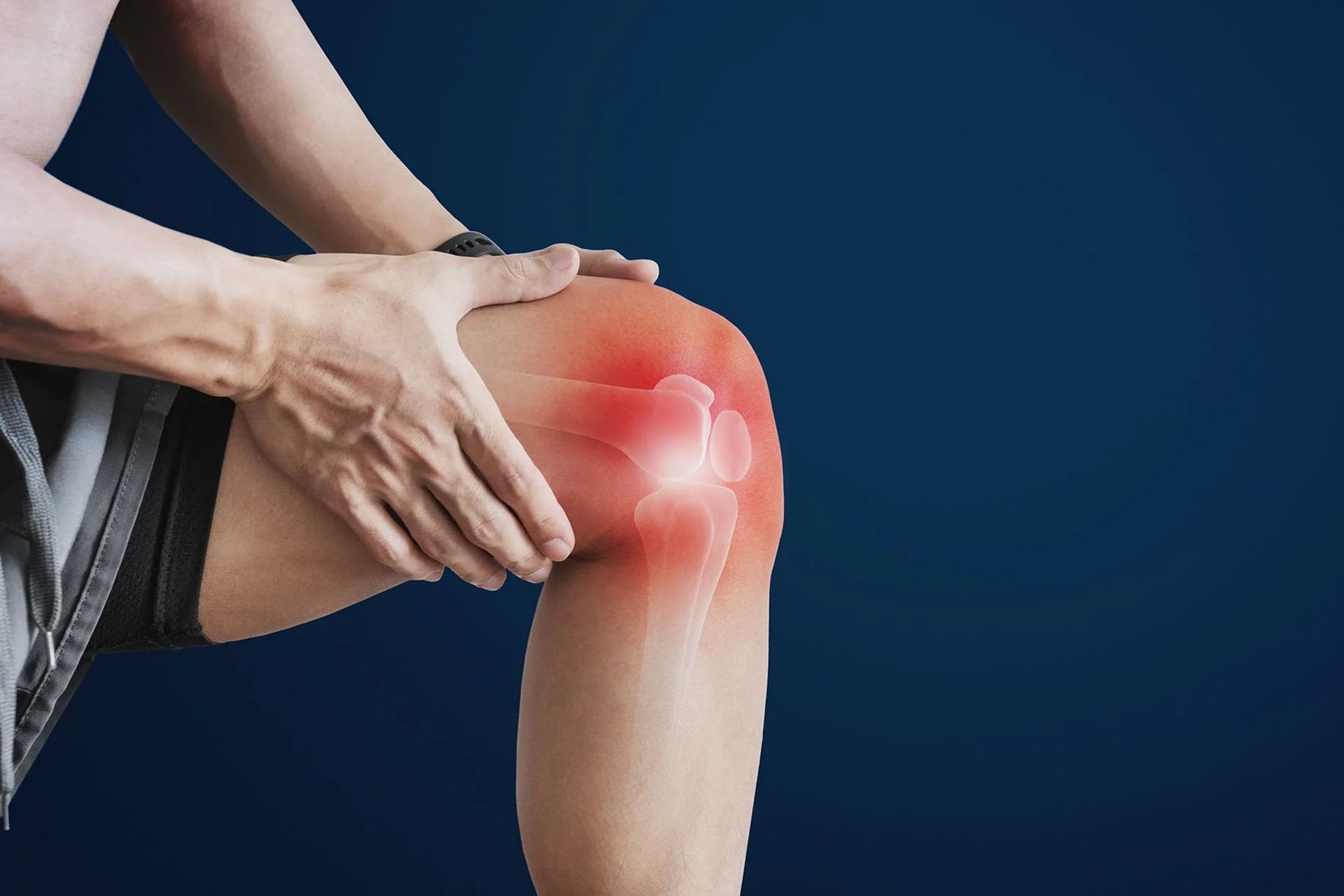
If you or a loved one have been experiencing knee problems, you’ve probably been told about orthotic devices. But how do they work? And will knee braces help with knee pain?
We’re here to help you understand the basics of knee braces. Read on to learn how they work and when you might need them yourself.
What Are Knee Braces For?
Knee braces assist the healing of an injured knee and keep it protected to prevent any further damage in the future. They are also used to relieve discomfort for those who might be experiencing chronic pain from a previous injury, or who have been diagnosed with arthritis in this area.
They can also assist with movement, allowing you to walk further and more comfortably than you otherwise would with injured or painful joints.
How Do Knee Braces Work? What Do Knee Braces Do?
The main function of a brace is to protect, support, and align the knee and knee joint, as well as provide stability and compression.
There are four main
types of knee braces:
- Prophylactic: prevents ligamentous injuries; these are usually used by athletes.
- Functional knee braces: supports injuries.
- Rehabilitative braces: helps those recovering from surgery or an injury.
- Unloader/offloader braces: helps those suffering from arthritis.
As mentioned above, knee braces are typically used to treat two issues: healing after injury, and pain relief. Let’s look at how different knee braces can work depending on the issue they are targeting.
Healing After Injury
When someone has injured their knee or torn their ACL it is quite common to be prescribed a knee brace. It adds structural support and extra protection, keeping the leg stable to facilitate the healing process even while the knee and leg are moving. It also restricts side-to-side movement, which can keep the knee from potentially being injured any further.
Pain Relief
Even a basic knee brace can treat osteoarthritis and chronic pain from a past injury. A knee brace compresses the knee, which can help to reduce swelling and inflammation. This helps common issues like tendinitis, gout, and arthritis—all of which lead to chronic pain and swelling.
By placing pressure on the thigh bone, braces also provide relief from arthritis by forcing the knee to bend away from affected areas.
How Do I Choose a Knee Brace? Can Knee Braces Cause More Pain?
You must understand the issue that needs to be treated in order to choose the right type of knee brace. After a physician diagnoses your problem, a physiotherapist can help you find and even custom-design the type of brace that fits your situation best.
Knee braces can cause some pain, though this should only occur in the first few days while your knee becomes accustomed to the support. If pain persists throughout, it is a sign that your brace either isn’t fitted properly or may be made from low-quality materials.
Custom Knee Braces
It is possible to order custom braces that can be made to suit your needs, no matter what your age or issue is. Not only are these custom braces designed to treat your specific problem, whether it’s injury rehabilitation or chronic pain, but they fit your measurements exactly (leg size and shape), ensuring maximum comfort and usability.
Get a Custom Knee Brace Today
At Delta Physiotherapy, our experts will guide you through the process of choosing the perfect type of knee brace for your situation. We specialize in injury rehabilitation and pain treatment, and provide custom bracing that can treat a variety of issues.
To talk to one of our licensed professionals,
book an appointment online or call us at +(905) 270-3086.