Aging Gracefully: Protecting Your Joints, Bones, and Muscles
How Physiotherapy Supports Healthy Aging and Active Living

Aging is a natural part of life, but how it manifests in our bodies isn’t solely about the number of candles on our birthday cake. There are three key types of aging in physiology:
Chronological Age - The number of years you’ve been alive.
Biological Age - How old your body appears based on physical and functional markers.
Functional Age - How well your body performs daily activities relative to your age group.
Senescence, the gradual decline in cellular function, plays a major role in biological and functional aging. This process impacts our joints, bones, and muscles, contributing to conditions like osteoarthritis, osteoporosis, and sarcopenia (age-related muscle loss).
How Aging Affects Joint Health
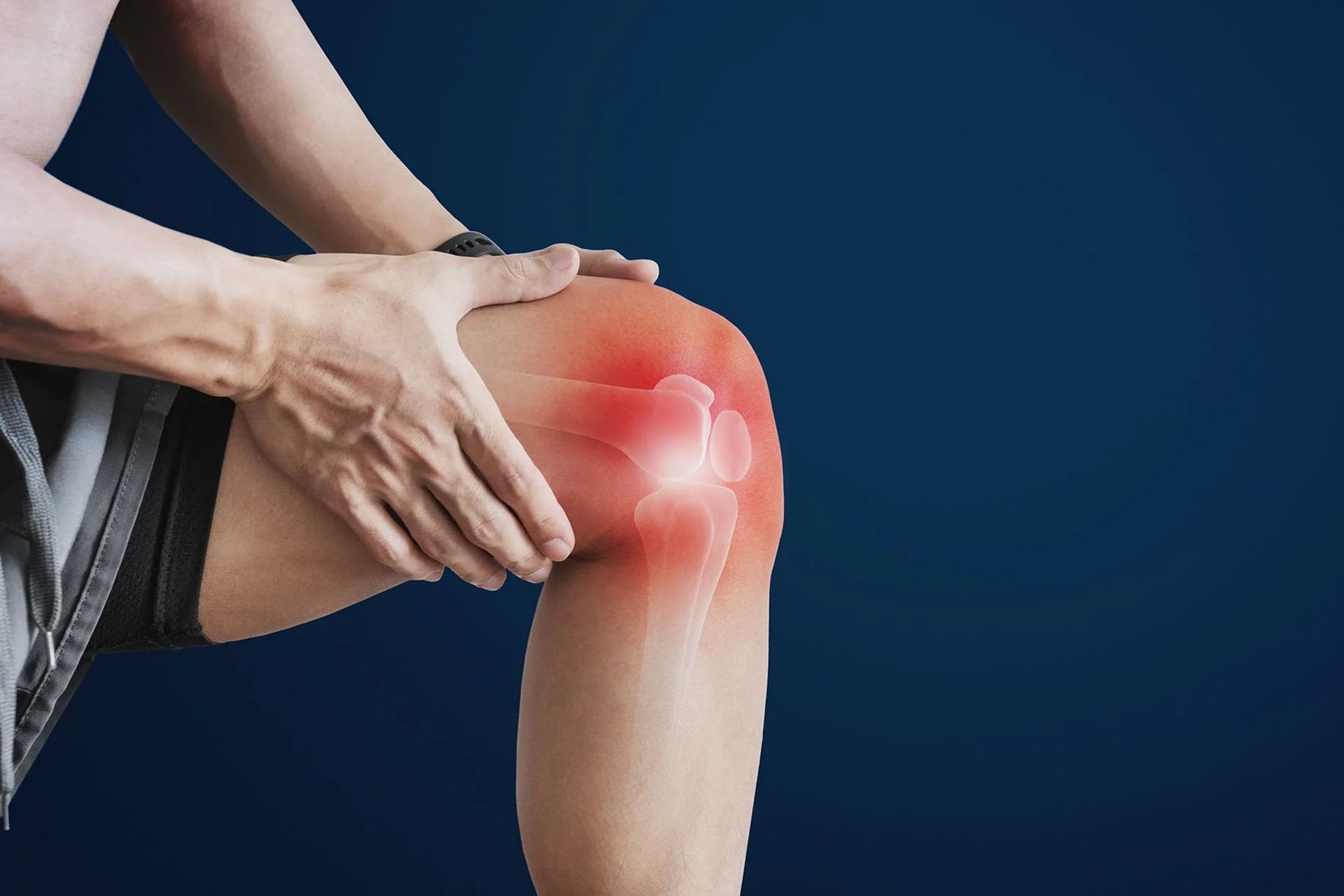
With age, joint cartilage thins and loses elasticity, leading to stiffness and discomfort. Reduced production of synovial fluid, which lubricates joints, exacerbates these issues. These changes can impair mobility, making everyday activities more challenging.
Aging’s Impact on Bone Health and Muscle Mass
Bones lose density over time due to reduced mineral content, increasing the risk of fractures. Meanwhile, muscle mass and strength naturally decline, often leading to weaker joints and poor posture, which can further strain the skeletal system.
Inflammaging: The Hidden Impact of Aging on Your Joints
A lesser-known aspect of aging is inflammaging—a state of chronic, low-grade inflammation that develops as we grow older. Unlike acute inflammation, which is the body’s temporary response to injury or infection, inflammaging persists over time and can contribute to age-related conditions like osteoarthritis, rheumatoid arthritis, and even osteoporosis.
This prolonged inflammation accelerates the breakdown of cartilage, weakens joint structures, and hinders the body’s ability to repair itself. Factors like poor diet, lack of exercise, and stress can worsen inflammaging, making it crucial to adopt proactive strategies for managing it
How Physiotherapy Can Help
Physiotherapy is a powerful tool to combat the effects of aging:
- Improve Joint Function: Customized exercises can enhance flexibility, strengthen surrounding muscles, and reduce stiffness.
- Boost Bone Health: Weight-bearing and resistance exercises can slow bone density loss.
- Preserve Muscle Mass: Targeted strength training can counteract sarcopenia, improving balance and reducing fall risk.
- Manage Pain: Manual therapy and modalities like ultrasound or TENS can alleviate discomfort and promote healing.
How Physiotherapy Addresses Inflammaging
Physiotherapy also plays a vital role in reducing the effects of inflammaging. Regular, tailored exercises can help decrease systemic inflammation by improving circulation and enhancing your body's natural anti-inflammatory responses. Additionally, techniques like manual therapy and modalities such as heat therapy or ultrasound can target inflamed areas, alleviating pain and improving mobility. By managing inflammaging through movement and targeted care, physiotherapy helps protect your joints and keeps you feeling your best as you age.
Aging is inevitable, but losing mobility and independence doesn’t have to be. At Delta Physiotherapy and Rehab, we specialize in creating tailored programs to help you age actively and gracefully. Let’s work together to keep your body strong and resilient at any age.
Ready to take the next step? Book a free 15 minute consultation with us today at Delta Physiotherapy & Rehab at either of our convenient locations in Central Parkway or Dundas, Mississauga, and we will get you started on your healing journey!