Strong Steps Ahead: Managing Knee Osteoarthritis for Pain-Free Movement
Understanding Knee Osteoarthritis: Causes, Symptoms, and Treatment
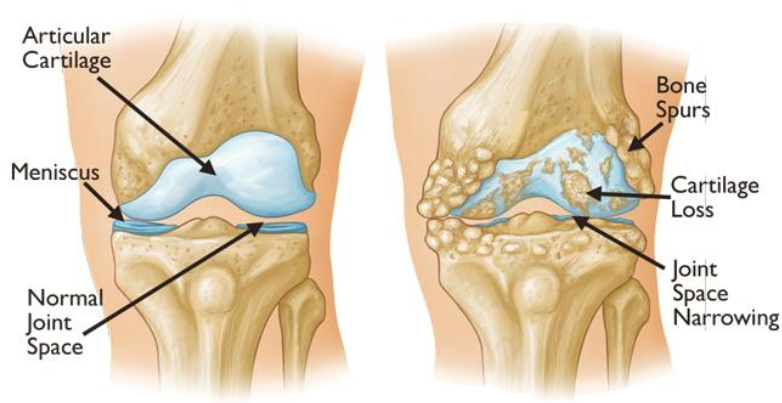
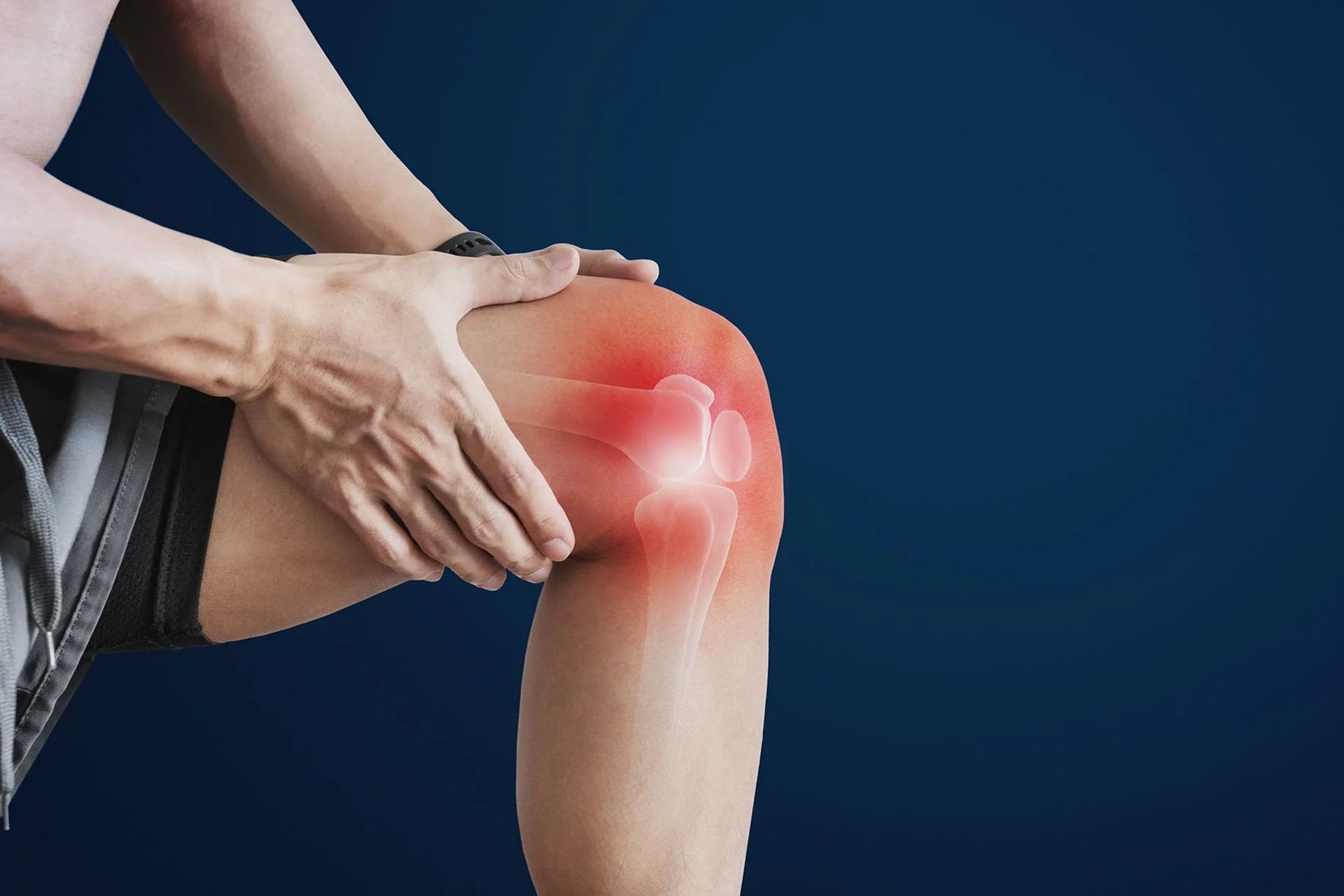
Knee osteoarthritis (OA) is a prevalent joint condition affecting millions worldwide, characterized by the degeneration of cartilage within the knee joint. This debilitating condition can significantly impact an individual's quality of life, causing pain, stiffness, and reduced mobility. Understanding its causes, treatments, and how physiotherapists play a crucial role in managing this condition is essential for those affected.
What are the Causes and Risk factors of Knee OA?
Several factors contribute to the development of knee osteoarthritis. Aging is a primary factor, as the wear and tear on the joints over time lead to cartilage breakdown. Other risk factors include obesity, previous knee injuries, genetics, and repetitive stress on the knee joint due to certain occupations or sports activities.
What are the Two Types of Knee OA?
The two main types of knee OA are primary and secondary osteoarthritis. Primary OA is characterized by the degeneration of cartilage within the knee with no underlying cause. Secondary OA is classified by degeneration caused by abnormal forces being placed upon the knee or the presence of abnormal articular cartilage and patellofemoral arthritic changes (Hsu & Siwiec, 2023).
Upon completion of an x-ray and ultrasound, it can be determined if the knee OA is caused by compartmental OA, or patellofemoral arthritic changes. Compartmental osteoarthritis refers to the degeneration of cartilage in specific compartments of the knee joint, such as the medial or lateral compartments. On the other hand, patellofemoral arthritic changes involve the deterioration of the cartilage between the kneecap (patella) and the thigh bone (femur).
How Can We Help You?
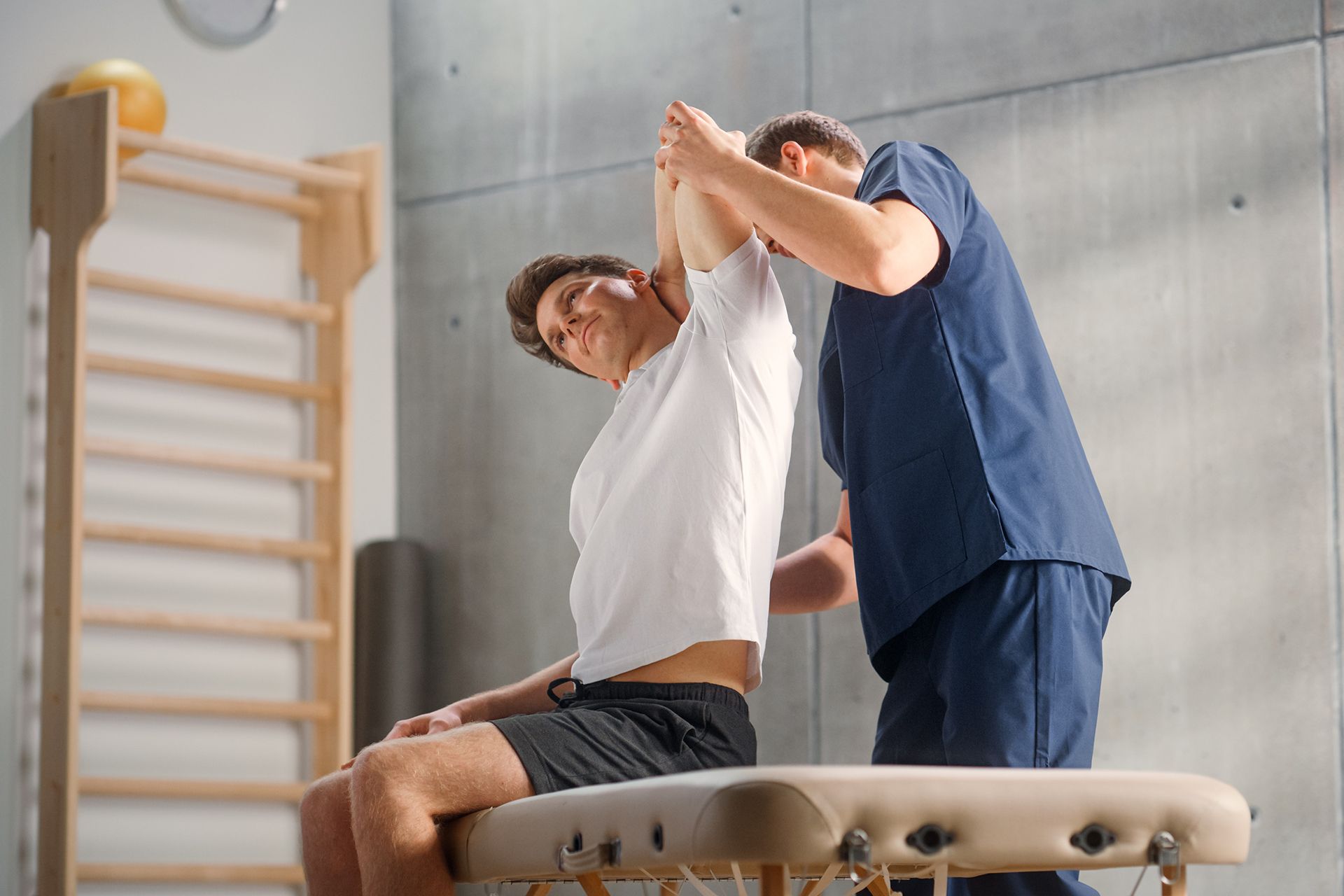
Physiotherapists play a crucial role in the management of knee osteoarthritis. At Delta Physiotherapy and Rehab, we will design an individualized exercise program for you to improve joint flexibility, muscle strength, and overall function. This program may include low-impact exercises such as swimming or cycling, as well as stretching to improve flexibility around the joint and strengthening exercises targeting the muscles around the knee joint. Additionally, we use modalities like electrotherapy, laser therapy, and shockwave therapy to improve tissue healing and get rid of the scar tissue and inflammation buildup in the knee.
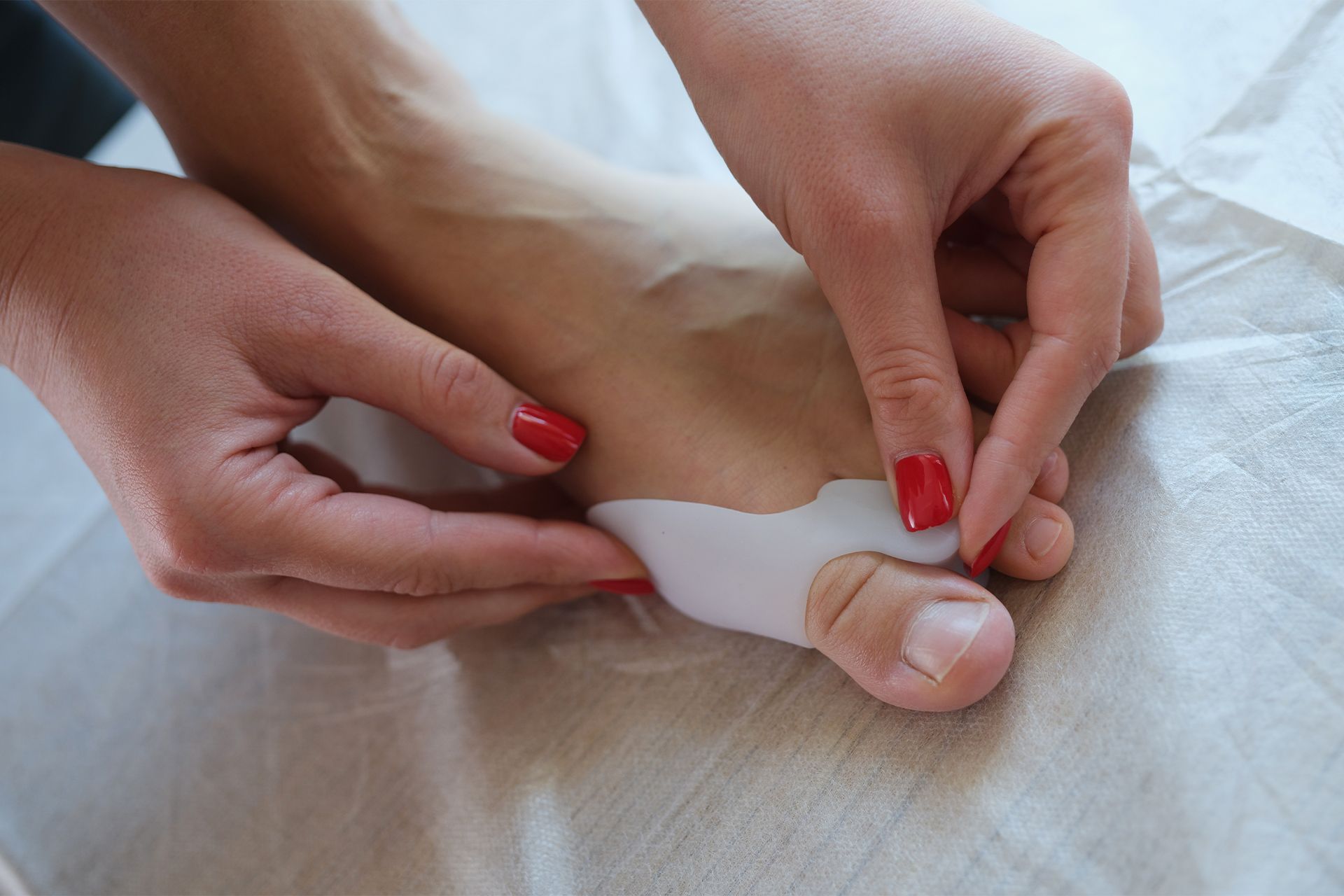
At Delta Physiotherapy and Rehab, our practitioners can also provide you assistance with bracing. If your knee OA is compartmental, then a knee stabilizer brace might be suggested. If the issue is with knee alignment, then a knee unloader brace might be suggested.
Knee osteoarthritis is a common and debilitating condition that affects millions of individuals worldwide. Understanding its causes, different types, and available treatments is essential for effective management. Physiotherapy interventions, including tailored exercise programs and manual therapy techniques, play a crucial role in improving the symptoms and overall quality of life for those living with knee osteoarthritis.
Book a free 15 minute consultation with us today at Delta Physiotherapy & Rehab at either of our convenient locations in Central Parkway or Dundas, Mississauga, and we will get you started on your healing journey!